
Cleachtadh a dhéanann máistreacht. / Practice makes perfect
Irish Proverb
Trasna na dTonnta is a song about distance, memory, and connection. This traditional Irish song tells a story of someone returning to Ireland after travelling abroad. Here, we'll explore the lyrics, their translation, the song's background, and how Irish language learners may find it useful.
Key Takeaways
- Trasna na dTonnta means “across the waves” and refers to travelling overseas from Ireland.²
- The song describes someone returning home to Ireland after living abroad.²
- Its themes of migration, homesickness, and return appear frequently in Irish folk music.⁴
- Traditional songs like this help preserve the Irish language, music, and cultural memory.⁸
- The lyrics are often used in Irish language learning because the vocabulary and structure are accessible to learners.⁸


Trasna na dTonnta Lyrics (Irish and English Translation)
Before we explore the meaning of this song, let's explore the lyrics. Here, we have the Irish lyrics and an English translation so readers can understand the song's meaning.³ This traditional Irish song combines poetic imagery with themes of home, distance, and memory, which are typical of Irish folk lyrics.²
Irish Version
Curfá:
Trasna na dtonnta, dul siar, dul siar,
Slán leis an uaigneas ‘is slán leis an gcian;
Geal é mo chroí, agus geal í an ghrian,
Geal a bheith ag filleadh go hÉirinn!
Chonaic mo dhóthain de Thíortha i gcéin,
Ór agus airgead, saibhreas an tsaoil,
Éiríonn an croí ‘nam le breacadh gach lae
‘S mé druidim le dúthaigh mo mhuintir!
Curfá
Muintir an Iarthair ‘siad cairde mo chroí,
Fáilte ‘is féile bheidh romham ar gach taobh.
Ar fhágaint an tsaoil seo, sé ghuidhim ar an Rí
Gur leosan a shinfear i gcill mé.
Véarsa breise
Ar mo thriall siar ó éirigh mo chroí
An aimsir go hálainn is tonnta deas réidh
Stiúradh go díreach go dúthaigh mo chliabh
‘S bheidh mé in Éirinn amárach!
English translation⁷
Chorus:
Over the waves, going west, going west!
Good-bye to loneliness and to the distant remoteness;
Bright is my heart and bright is the sun,
Happy to be returning to Ireland!
I saw my fill of countries abroad,
Gold and silver, the wealth of the world,
My heart rises in me with the break of each day,
As I draw closer to the land of my people!
Chorus
People of the West, they're the friends of my heart,
Welcome and celebration awaits me on every side.
Leaving this life I pray to the Lord
That it's with them I'll be stretched in the graveyard!
Extra verse:
On my journey - oh! my heart rises!
The weather is beautiful and the waves are settled
Steering directly to land of my bosom
And I'll be in Ireland tomorrow!
What Does Trasna na dTonnta Mean?
The song's title is one of the central ideas of its lyrics. The phrase Trasna na dTonnta resonates with themes of distance, travel, and a connection to Ireland, a bit like with the fair mentioned in Beidh Aonach Amárach, a very Irish experience. So what does it mean?
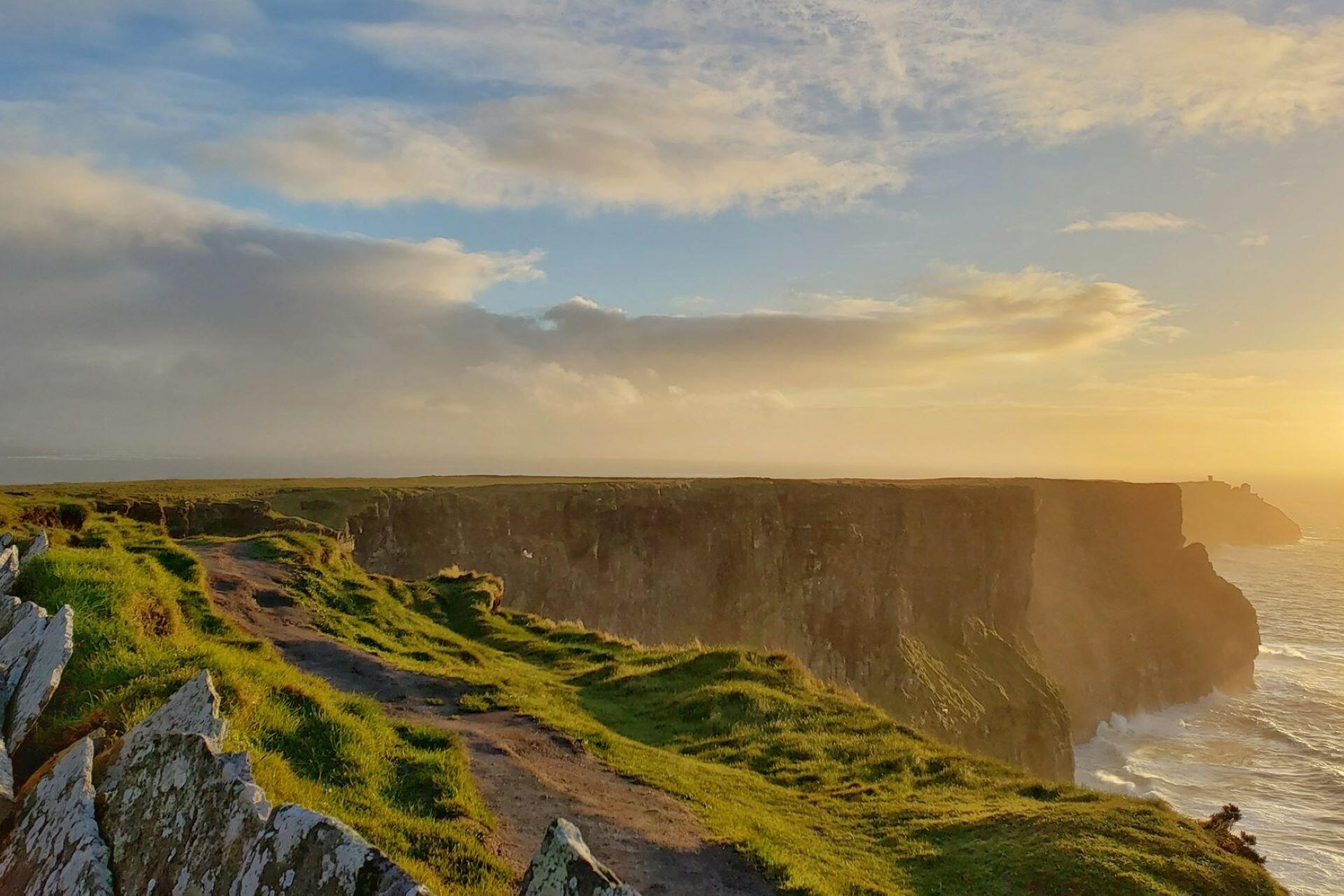
The Irish phrase Trasna na dTonnta translates directly as “across the waves.”In traditional Irish songs and poetry, the phrase often refers to travelling overseas, especially during periods of Irish emigration. It can evoke feelings of distance from home, memories of Ireland, and the emotional bond many people maintain with their homeland even while living abroad. In the context of the song, the title reflects the idea of looking back toward Ireland from across the sea.
Translation and Meaning of the Song
The song describes someone looking back to Ireland while living overseas.² The speaker talks about the land, people, and emotions they associate with home. The language is simple but expressive and reflects a strong sense of attachment to Ireland.¹ The words create a story that reflects the wider Irish experience of emigration and the hope of returning home.⁴
The lyrics describe Ireland as a place remembered with affection and emotional attachment. This theme appears frequently in Irish folk songs, where the homeland is recalled through images of landscape, family, and community.⁵
References to being trasna na dtonnta, or across the waves, suggest distance from Ireland and the experience of living overseas. Many Irish songs reflect the reality of migration and the separation that came with leaving home.⁶
Even when describing distance or exile, traditional Irish songs often include a sense of hope that the singer will return home one day. This motif of departure followed by return appears throughout Irish folk music and storytelling traditions.⁵
History of Trasna na dTonnta
It's common for traditional Irish songs to be closely tied to historical events or social experiences like the Jacobite uprising in Mo Ghile Mear. The Irish folk tradition developed as large numbers of people left the country. Understandably, there are many songs about departure, distance, and returning home.⁴
Many Irish folk songs focus on themes of leaving home, travelling abroad, and remembering Ireland from far away. During the eighteenth and nineteenth centuries, large numbers of Irish people emigrated to Britain, North America, and Australia, and music became a way to express homesickness and attachment to the homeland. Songs about the sea, journeys, and return appear throughout the tradition, and Trasna na dTonnta belongs to this wider group of Irish songs reflecting migration and memory.
The themes found in Trasna na dTonnta have a strong connection to the wider story of Irish migration. For centuries, Irish communities have maintained a strong connection to their ancestral homeland. Music and songs reflect this, which allows the Irish diaspora abroad to share traditions with new generations.
around the world claim Irish ancestry.
Trasna na dTonnta in Irish Culture
Traditional music is central to Irish culture. Songs, ballads, rebel songs like Óró Sé do Bheatha Bhaile, and dance tunes have been passed down for generations. They help preserve both Irish language and stories.
sound recordings.
The Song in Irish Folk Music
Trasna na dTonnta is often played as part of the wider Irish folk and traditional music repertoire. You'll hear songs like this at cultural gatherings, music sessions, and Irish language events. The lyrics are simple and repetitive, making it accessible to fluent speakers and learners. Performances also highlight the connection between language and music, where melody helps carry the rhythm and pronunciation of the words.²
Learning Irish Through Trasna na dTonnta Lyrics
Traditional songs are a great way to learn a language. Repeated lines and phrases make vocabulary easier to remember, and you can hear the words being pronounced (albeit while sung). With songs like Trasna na dTonnta, you can also hear common Irish words and expressions in a cultural context, like the country's national anthem.⁸
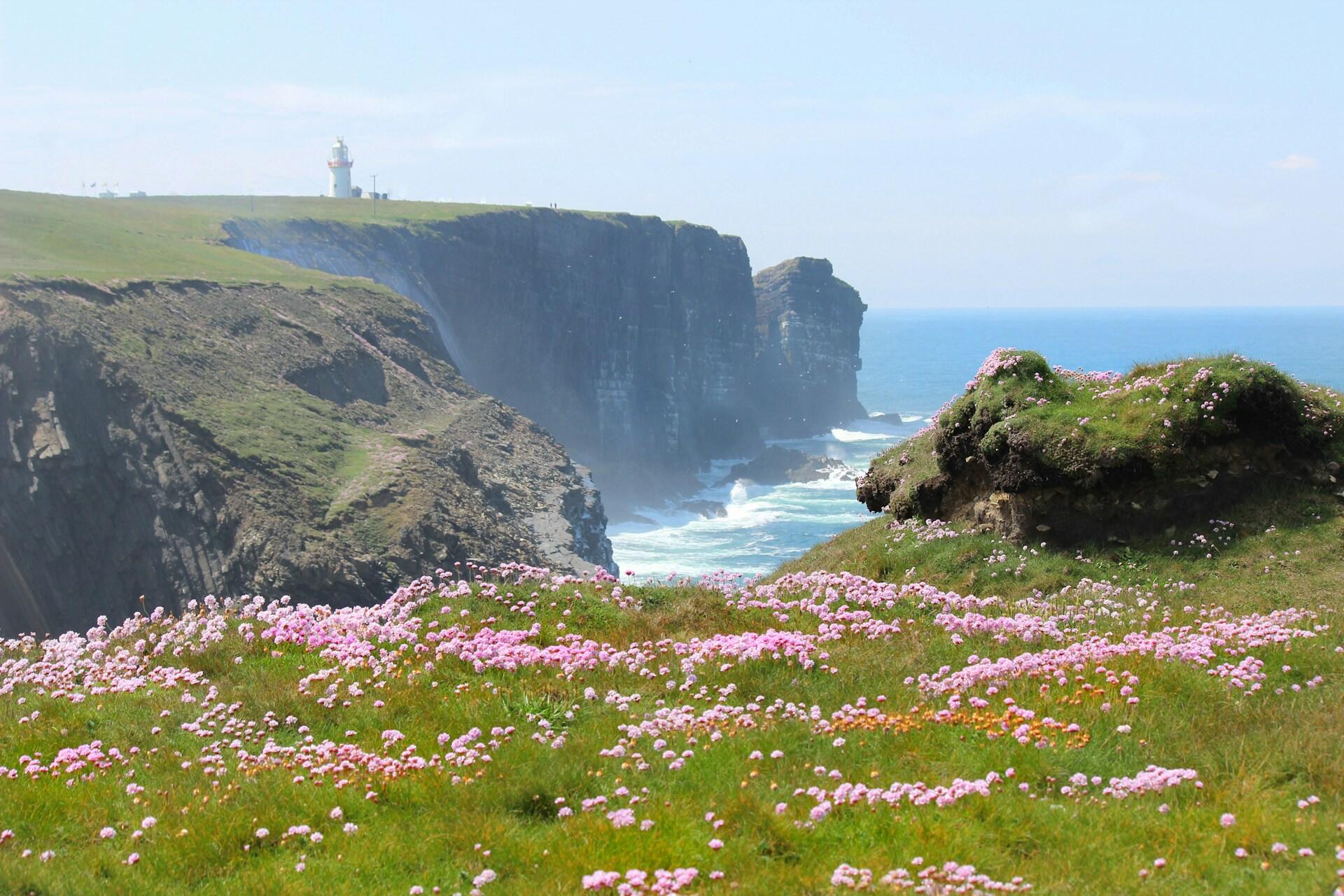
Traditional songs are a useful way to learn Irish vocabulary because they repeat key words and phrases. In Trasna na dTonnta, listeners encounter common Irish words such as croí (heart), Éirinn (Ireland), and slán (goodbye or farewell). The song also uses poetic language to describe the sea, home, and memory, helping learners recognise how Irish expresses emotion and place. By listening to or singing the song, learners can hear how pronunciation, rhythm, and meaning work together in the language.
Useful Irish Vocabulary in the Song
The word croí means “heart” and is often used in Irish songs and poetry to express emotion, affection, or connection to a place or person.
Éirinn is a poetic form of the Irish name for Ireland (Éire). It commonly appears in songs and traditional verse when referring to the homeland.⁷
The word slán means goodbye or farewell and appears frequently in everyday Irish conversation and in songs.
Uaigneas means loneliness or solitude and reflects the emotional themes of distance and separation often found in Irish folk music.
The word dúthaigh refers to a person's homeland or native place, reinforcing the strong sense of identity and belonging found in many Irish songs.
Why Traditional Songs Help Language Learners
Traditional songs often repeat lines and phrases, which helps learners remember vocabulary and sentence structures more easily.
Singing along to a melody helps learners hear natural pronunciation and rhythm, which are important features of spoken Irish.
Songs place words within meaningful phrases and stories, helping learners understand how vocabulary is used rather than memorising isolated words.
Traditional songs introduce learners to Irish history, traditions, and themes such as home, travel, and community.⁸
Listening to and singing songs keeps learners motivated and makes practising the language more enjoyable than studying grammar alone.
References
- Brendan Nolan. “Trasna Na dTonnta (Over the Waves) / Westering Home.” BrendanNolan.com, https://brendannolan.com/lyrics/trasna.html. Accessed 14 Apr. 2026.
- Lynch, Robert P. “Trasna na dTonnta (Over the Waves).” PipingLessons.org, 20 Jan. 2019, https://pipinglessons.org/trasna-na-dtonnta-over-the-waves/. Accessed 14 Apr. 2026.
- LyricsTranslate. “Na Casaidigh – Trasna na dTonnta Lyrics and English Translation.” LyricsTranslate.com, https://lyricstranslate.com/en/trasna-na-dtonnta-over-waves.html. Accessed 14 Apr. 2026.
- McGreevy, Ronan. “Magical New Version of Irish Classic ‘Trasna na dTonnta.’” IrishCentral, 3 Mar. 2018, https://www.irishcentral.com/culture/entertainment/magical-new-version-of-irish-classic-trasna-na-dtonnta. Accessed 14 Apr. 2026.
- RTÉ News. “Campaign Aims to Encourage Use of Irish Language Online.” RTÉ.ie, 6 Dec. 2021, https://www.rte.ie/news/newslens/2021/1206/1265153-trasna-na-dtonnta/. Accessed 14 Apr. 2026.
- Simply Jacinta. “Trasna na dTonnta.” SimplyJacinta.com, 7 May 2023, https://simplyjacinta.com/trasna-na-dtonnta/. Accessed 14 Apr. 2026.
- Songs in Irish. “Trasna na dTonnta Lyrics.” SongsInIrish.com, https://songsinirish.com/?song=trasna-na-dtonnta-lyrics. Accessed 14 Apr. 2026.
- Twinkl Ireland. “Trasna na dTonnta Song Lyrics Resource.” Twinkl.ie, https://www.twinkl.ie/resource/roi-mu-5-trasna-na-dtonnta-song-lyrics. Accessed 14 Apr. 2026.
Summarise with AI:
Did you like this article? Leave a rating!

 Loading...