
Irish names often have strong cultural connections to both Irish culture and the Irish language. Many Irish baby names come from Gaelic (Irish) words, mythology, or historical figures. They're often meaningful and distinctive. Here are some of the most common Irish names (plus some extras).


Why Irish Names Are So Popular Today
In recent years, Irish names have become popular both in Ireland and internationally. Many parents like their unique sounds, meanings, and links to Irish culture and identity. Whether it's traditional or modern versions of Irish names, there's a wide range of options that parents are choosing.
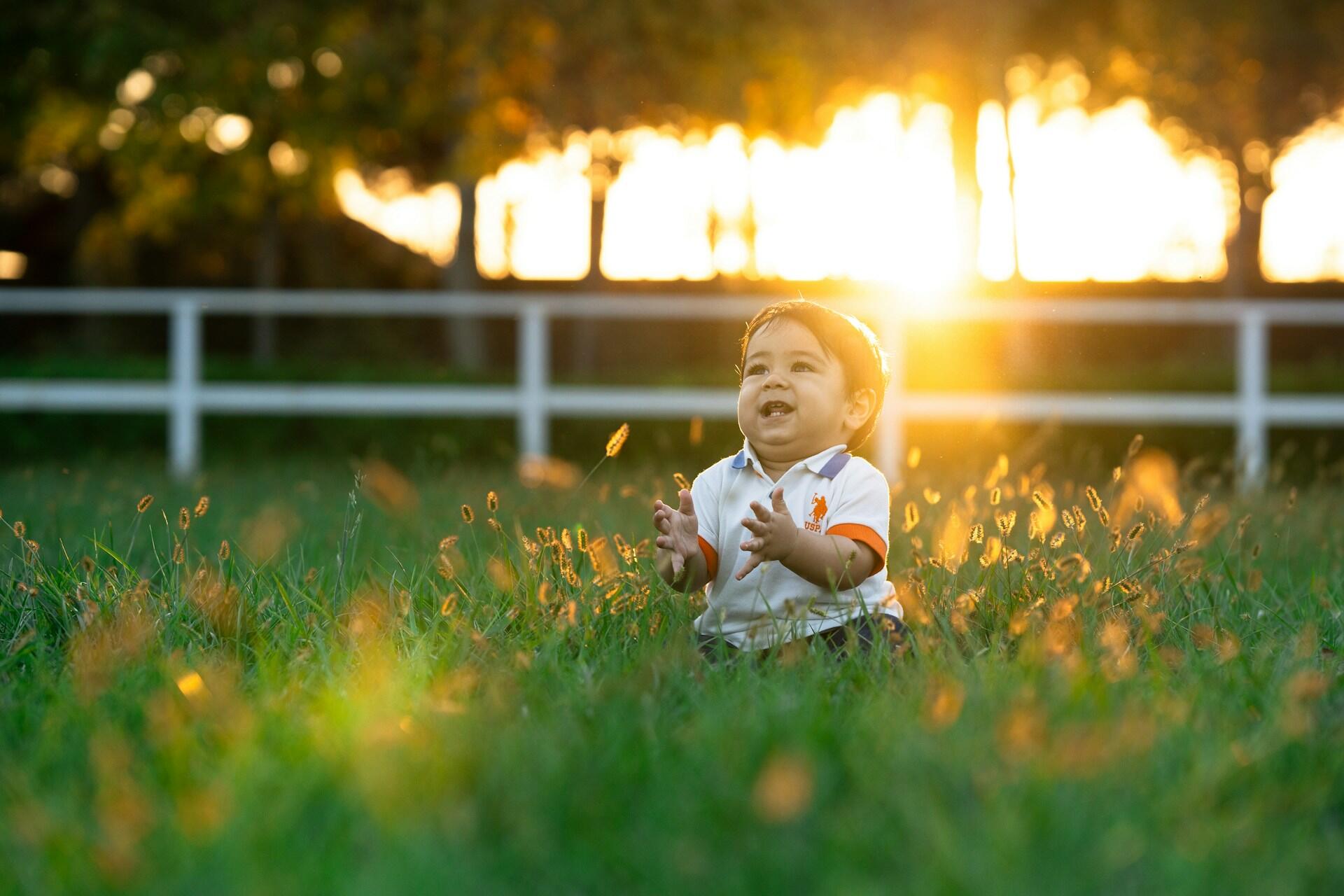
Top 10 Irish Girl Names and Their Meanings
Irish girls' names are often linked to beauty, nature, and Irish mythology. They have rich and layered meanings. Many of these names have been popular for centuries while still feeling modern and relevant today.
Irish names usually come from the Irish (Gaelic) language and have meanings tied to traits, nature, saints, or mythology. Many names also have an English equivalent or an anglicised form, which explains why you may see the same Irish name written in different ways. If you want “names in Irish,” look for the original Gaelic spelling and pronunciation rather than the English form.
Meaning "wild" or "deer," Fiadh reflects Ireland's strong connection to nature. It has become one of the most popular Irish baby names in recent years, partly due to its simple spelling and soft sound. The name feels modern while still being rooted in the traditional Irish language.
Meaning "beauty" or "radiance," Aoife is a classic Irish girl name with strong ties to mythology. In legend, Aoife was a warrior princess, giving the name both strength and elegance. It remains one of the most recognisable Irish names internationally.
Derived from the Gaelic word caomh, meaning "gentle" or "beautiful," Caoimhe is known for its soft, distinctive spelling. It is a popular choice in Ireland, though often anglicised to Keeva for easier pronunciation. The name balances tradition with a modern feel.
Meaning "freedom," Saoirse is deeply tied to Irish identity and history. The name became more widely known thanks to actress Saoirse Ronan, helping it gain popularity beyond Ireland. It is both meaningful and culturally significant.
Meaning "dark-haired" or "black," Ciara comes from the Irish word ciar. It is a widely used name in Ireland and has many international variants, including Keira and Kiera. The name is simple, elegant, and easy to recognise.
Meaning "bright" or "radiant," Niamh appears in Irish mythology as a figure associated with beauty and the Otherworld. Despite its unusual spelling, it is a very common Irish name. It is often admired for its short form and strong cultural roots.
The Irish form of Eve, meaning "life," Éabha, has become increasingly popular in Ireland. It blends a traditional origin with a modern sound, making it a strong option for parents looking for Irish names that travel well internationally.
Meaning "golden princess," this name combines ór (gold) and flaith (princess or ruler). Orlaith has long been used in Ireland and remains popular today in both its traditional and simplified forms. It carries a sense of nobility and elegance.
Meaning "she who intoxicates," Maeve comes from one of the most powerful queens in Irish mythology. The name has a strong, confident feel and has gained popularity internationally in recent years. It is both traditional and modern in appeal.
Meaning "little rose," Róisín is a diminutive form that has strong cultural significance in Ireland. It has been used in poetry and song, often symbolising Ireland itself. The name feels soft, poetic, and deeply traditional.
| Rank | Name (Irish form) | Number of babies (2021) |
|---|---|---|
| 1 | Fiadh | 424 |
| 2 | Grace | 412 |
| 3 | Emily | 388 |
| 4 | Sophie | 336 |
| 5 | Éabha | 288 |
| 6 | Lucy | 287 |
| 7 | Mia | 279 |
| 8 | Ava | 272 |
| 9 | Lily | 271 |
| 10 | Ella | 268 |
baby girls in Ireland were named Fiadh, making it the most popular girls’ name that year.
Top 10 Irish Boy Names and Their Meanings
Irish boys' names often have links to strength, leadership, and history. Many are the names of kings, warriors, and saints. They've remained popular for generations and, as we'll see shortly, can also be adapted to modern tastes and conventions.
Meaning "little king," Rían is one of the fastest-rising Irish boy names in recent years. It combines a strong meaning with a modern, simple sound. The name is popular both in Ireland and internationally.
Meaning "little deer," Oisín is a central figure in Irish mythology as the son of Fionn mac Cumhaill. The name carries strong literary and legendary associations. Despite its spelling, it is widely used and recognised in Ireland.
Meaning "fair" or "white," Fionn is strongly linked to the legendary hero Fionn mac Cumhaill. It is a short, powerful name with deep roots in Irish mythology. The anglicised form Finn is also widely used.
Meaning "poet" or "philosopher," Tadhg is a traditional Irish name that has remained consistently popular. It reflects Ireland's strong literary and cultural heritage. The spelling may seem complex, but it is well-known in Ireland.
Originally derived from the Irish name Uilliam, Liam means "strong-willed warrior." It is one of the most popular Irish names globally and has become widely used in English-speaking countries. The name is simple, strong, and timeless.
Meaning "little church," Cillian has early Christian roots in Ireland. It has grown in popularity in recent years, partly due to public figures with the name. It blends traditional meaning with modern appeal.
Meaning "lover of hounds," this name comes from ancient Irish kings and warriors. Conor is the anglicised form, while Conchobhar is the original Irish version. It is a strong and historically significant name.
The Irish form of John, meaning "God is gracious," Seán is one of the most traditional and widely used Irish boy names. It has remained popular for generations and is easily recognised internationally.
Meaning "noble," this name is strongly associated with Ireland's patron saint, Saint Patrick. It has been used for centuries and remains one of the most iconic Irish names. Both forms are still widely used today.
A modern variation of Fionn, meaning "fair" or "white," Finn is short, simple, and highly popular. It works well internationally while still maintaining its Irish origin. It is one of the most accessible Irish boy names globally.
| Rank | Name (Irish form) | Number of babies (2021) |
|---|---|---|
| 1 | Jack | 667 |
| 2 | Noah | 475 |
| 3 | James | 442 |
| 4 | Conor | 360 |
| 5 | Rían | 357 |
| 6 | Liam | 353 |
| 7 | Charlie | 345 |
| 8 | Daniel | 325 |
| 9 | Cillian | 322 |
| 10 | Tadhg | 318 |
baby boys in Ireland were named Jack, making it the most popular boys’ name that year.
Common Irish Names and Their Origins
Beyond the most popular Irish names right now, there are also some common Irish names from Gaelic words, historical figures, or early religious influences. These names may have evolved over the years and have both traditional and anglicised forms. You'll see that even names that don't seem Irish at first glance are actually evolutions of traditional Irish names.
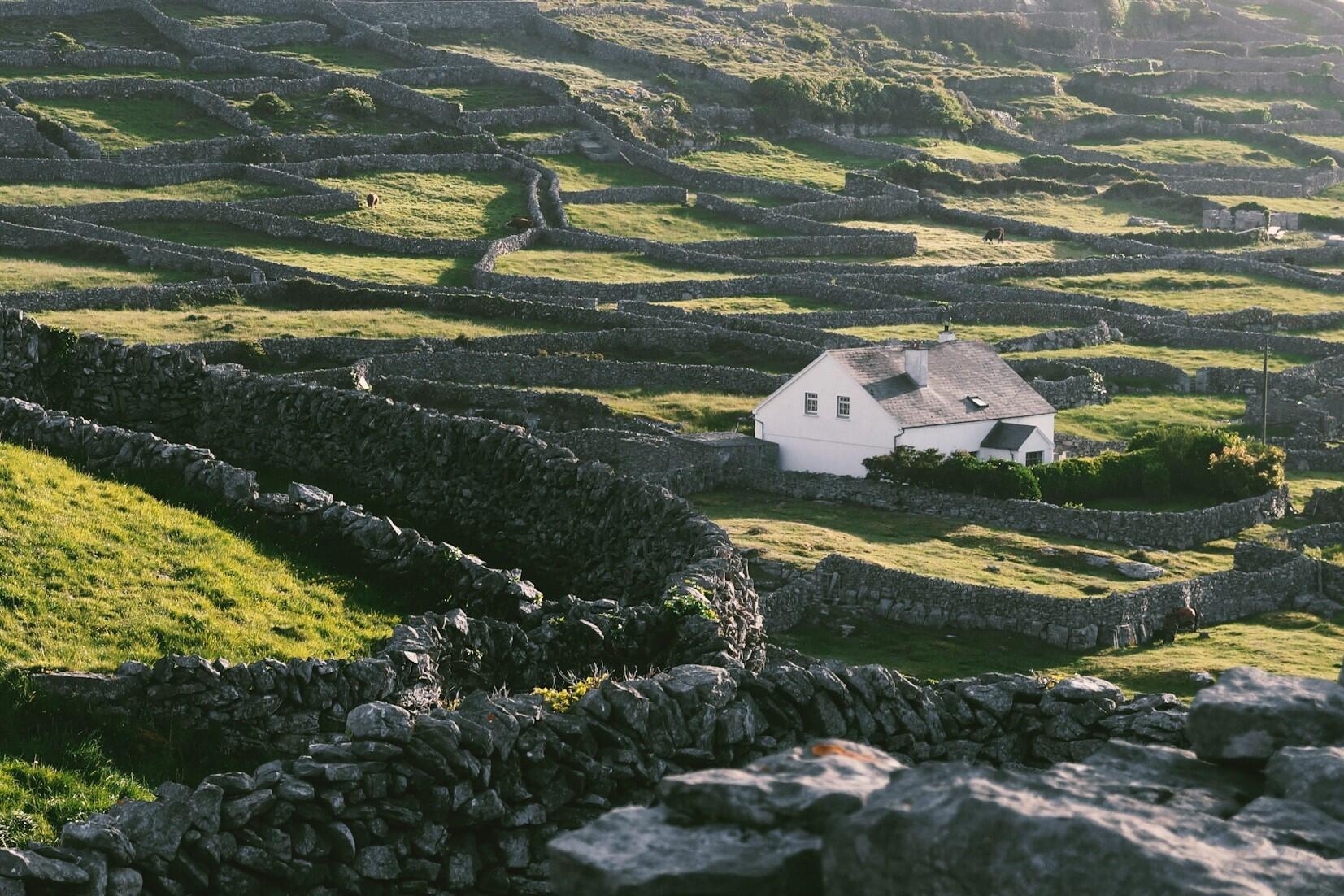
A large number of Irish names are derived from early saints, medieval kings, and legendary warriors, which is why so many meanings reference leadership, strength, or faith. You’ll also see mythology influence in names connected to figures like Fionn, Finn, and other well-known characters from Irish legend. Understanding the origin of a name often makes its meaning feel more personal and memorable.
Common Irish Boys Names
From Aodh, meaning “fire,” Aidan is a diminutive meaning “little fire.” It has early saintly origins and remains widely used in Ireland and abroad.
An early Irish saint's name, Declan, likely means "man of prayer" or "full of goodness." It is especially popular in Munster.
Meaning "prince" or "brave," Brendan is linked to Saint Brendan the Navigator, a key figure in early Irish Christianity.
Meaning "oak tree," this name reflects strength and nature. It comes from one of the most important trees in Celtic culture.
Derived from Edmund, meaning "rich protector," Éamonn has long been used in Irish history and politics.
Meaning "little seal," Ronan is a nature-based name tied to Irish coastal life and early saints.
Meaning "little fierce one," Lorcan was the name of kings and remains a strong, traditional Irish name.
Meaning "little church," this name has early Christian origins and has grown in international popularity.
An anglicised form of Seán, meaning "God is gracious." It offers a more phonetic spelling for global use.
Meaning "little lord," Tiernan comes from the Gaelic tighearna (lord) and reflects status and leadership.
Common Irish Girls Names
Meaning "exalted one," Bríd is tied to Saint Brigid, one of Ireland's patron saints, making it one of the most historically important Irish girl names.
The Irish form of Mary, meaning "beloved" or "bitter," Máire has been widely used in Ireland for centuries.
Derived from the Latin word "honora," meaning "honour," Nóra is simple, elegant, and widely used in both Ireland and English-speaking countries.
An Irish form of Cecilia, meaning "blind," Síle has long been used in Ireland and later adapted into English as Sheila.
Derived from Evelyn, meaning "desired" or "wished for," Eibhlín is a traditional name that has remained common.
Another form of Máire, Moira, became popular as an anglicised version while retaining its Irish roots.
Though modern in spelling, it comes from céilí, meaning a social gathering or celebration in Irish culture.
Meaning "golden princess," Orla is a simplified form of Órlaith and remains widely used.
Meaning "lamb," Úna is a traditional Irish name associated with folklore and fairy queens.
A Scottish and Irish variation of Síne (Jane), meaning "God is gracious," showing how Irish names spread across regions.
How Irish Names Are Pronounced and Anglicised
Irish names often follow pronunciation rules from the Irish language. This means they're not always pronounced as English speakers would expect. However, if you recognise a few common patterns, you'll be able to say them more confidently, even if you've never seen the name before.
Irish spelling follows Gaelic rules, so letters often sound different from English. For example, “bh” and “mh” are commonly pronounced like a “v” sound, while “ao” can sound like “ee” or “ay” depending on the name. If you’re choosing Irish baby names, it helps to learn a few patterns, because many “common Irish names” are easier to say once you know these rules.
Seen in names like Siobhán and Caoimhe, where “bh” is pronounced like a soft “v.”
In names like Niamh (NEEV) or Muireann, this combination often sounds like “v.”
Common in names like Aoife (EE-fa) and Aodh (AY), depending on the word.
Often softened or barely pronounced, as in Dáithí or Eoghan.
Similar to the "ch" in Scottish loch, heard in names like Caoilfhionn.
The "fh" combination is usually not pronounced, as in Fhionnuala (Nuala).
Seen in names like Seán (SHAWN), where vowels shift from English expectations.
Modern vs Traditional Irish Names
While Irish names are certainly beautiful, it's not always practical for families to opt for the traditional versions. You can preserve the original spelling and cultural depth. Still, there are also modern versions that are simplified for easier pronunciation and spelling than some of the more traditional Irish names.
Traditional Irish Naming
- Uses original Gaelic spelling with accents (fada), e.g. Caoimhe, Órlaith
- Pronunciation follows Irish language rules, which may differ from English
- Strong links to mythology, saints, and early Irish history
- Preserves cultural and linguistic authenticity
Modern Irish Naming
- Often removes accents and simplifies spelling, e.g. Keeva, Orla
- Adapted for easier pronunciation in English-speaking countries
- Often chosen for global appeal and ease of use
- Balances Irish origin with modern trends and international use
Summarise with AI:
Did you like this article? Leave a rating!

 Loading...