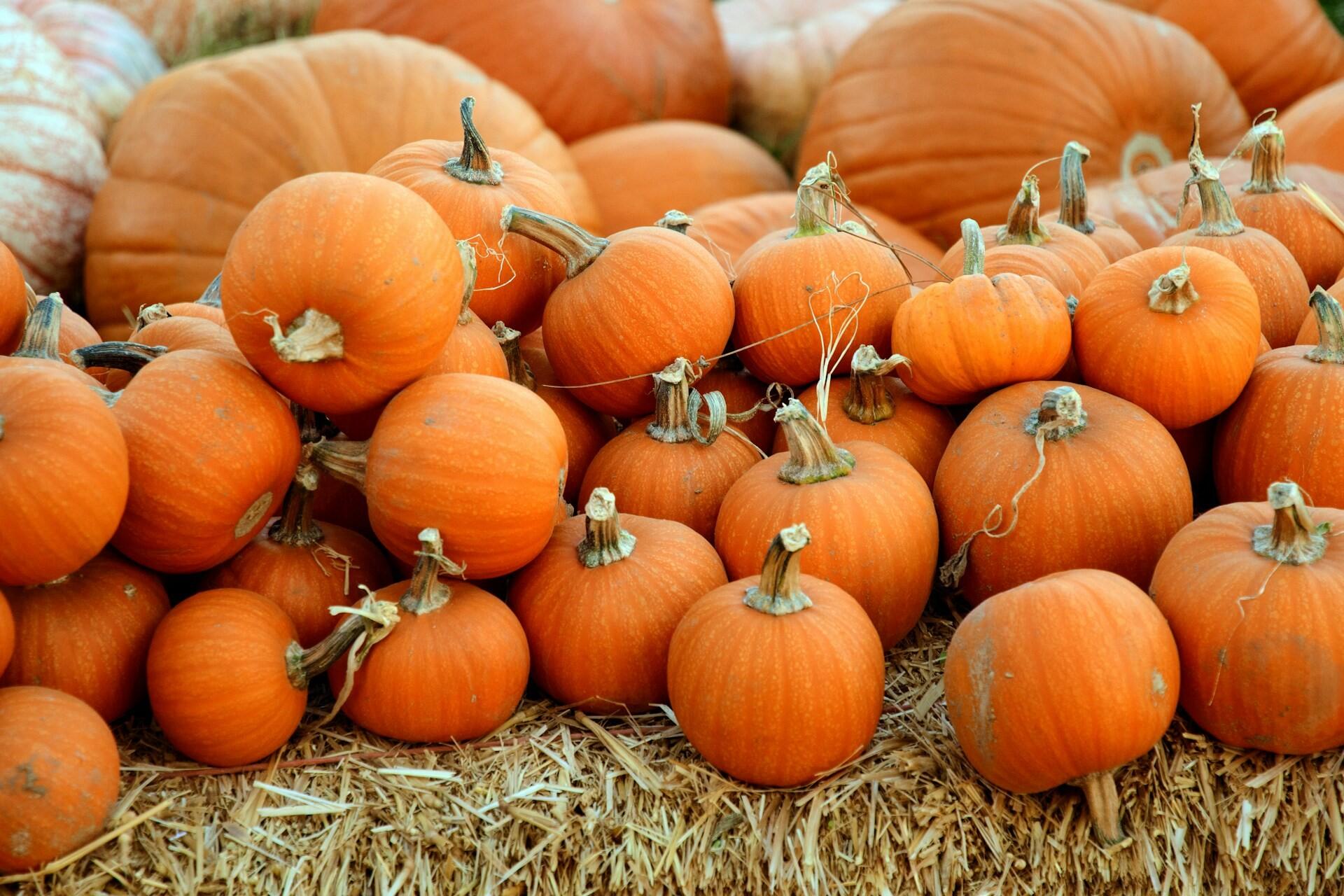

Want to use some Irish? Want to learn some new terms? The spookiest time of the year is a great time to do it. After all, Halloween was originally an Irish festival, and it still is unique in Ireland.
Key Takeaways
- Oíche Shamhna is the standard Irish term for Halloween and is closely connected with the traditional festival of Samhain.
- Say Oíche Shamhna shona duit to wish one person a Happy Halloween, and use Oíche Shamhna shona daoibh when speaking to two or more people.
- Bob nó bia is an Irish way to say “trick or treat”, while longer seasonal phrases can help you practise more natural Halloween vocabulary.
- Irish pronunciation varies across Ulster, Connacht and Munster, so native audio is more useful than relying only on English-style pronunciation guides.
- Samhain was traditionally marked on 1 November, with much of the celebration taking place on the preceding evening, Oíche Shamhna.


How Do You Say Happy Halloween in Irish?
With any language you learn, it can help to see it actually used. With phrases like “Happy Halloween” and other seasonal greetings, you have a time and a reason to use it. However, in Irish, you need to learn that terms will vary based on who you're greeting. The expressions don't completely change, so you can reuse some of the vocabulary, but you do need to pay attention.
Oíche Shamhna shona duit means “Happy Halloween to you” when speaking to one person. For two or more people, use Oíche Shamhna shona daoibh.⁸
or more people.⁸
Oíche Shamhna Shona Duit or Daoibh?
The key difference here is who you're speaking to, not the formality. There are two forms for you to learn. Oíche Shamhna shona daoibh is also used as a contemporary plural greeting for Halloween.⁹
The greeting stays the same, except for the final word that identifies who is being addressed.
What Does Oíche Shamhna Mean?
The Irish name for Halloween reflects its connection with Samhain and the traditional seasonal calendar.⁷ Just remember that words in Irish have grammatical relationships to one another that can change their spelling, which is why the component words look different from the final expression. You should learn the two closely related forms here rather than one fixed spelling in every context.⁴
Oíche Shamhna is the standard Irish term for Halloween, with oíche meaning “night”.¹ Samhna is the genitive form of Samhain.⁴ Samhain is also the Irish name for November.²
Why Is It Samhna Rather Than Samhain?
How Do You Pronounce Oíche Shamhna?
Remember that a pronunciation guide based on English will only ever be an approximation. We've provided them to help English speakers with their Irish, but that's just the starting point. You should listen to real examples and remember that not every Irish speaker will pronounce terms the same.
Irish dialects: Ulster, Connacht and Munster.³
Useful Halloween Phrases in Irish
Learn to say more than just “Happy Halloween”. If you want to speak about Halloween in Irish, you should learn the key vocabulary. Start with these key words and then start building your vocabulary into more comprehensive sentences.
| Irish | English | When to use it |
|---|---|---|
| Oíche Shamhna | Halloween | When naming the celebration |
| Oíche Shamhna shona! | Happy Halloween! | As a general Halloween greeting |
| Oíche Shamhna shona duit! | Happy Halloween to you! | When speaking to one person |
| Oíche Shamhna shona daoibh! | Happy Halloween to you! | When speaking to two or more people |
| Bain sult as Oíche Shamhna! | Enjoy Halloween! | As a seasonal wish |
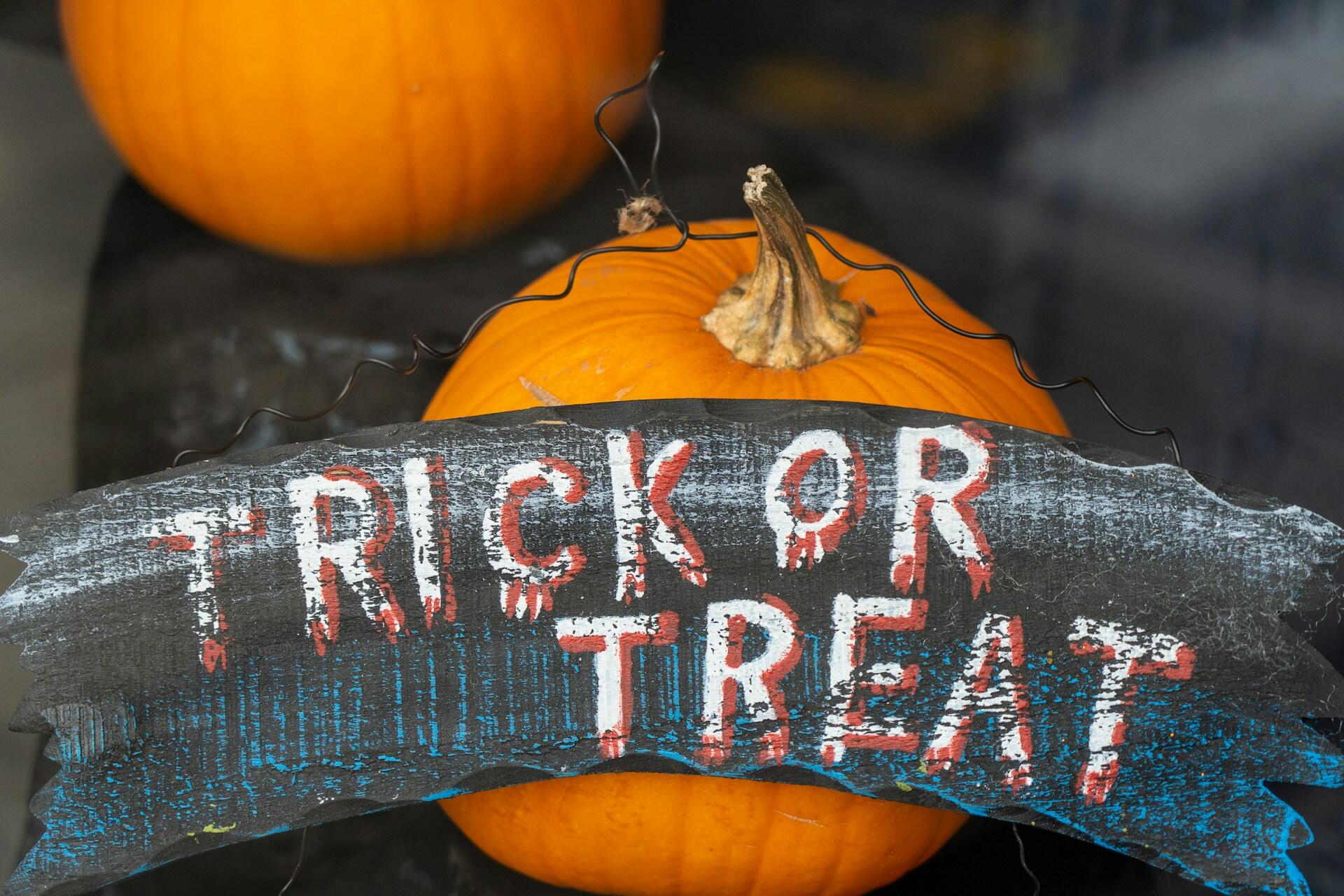
| Bob nó bia! | Trick or treat! | When trick-or-treating |
| Tabhair féirín dom, nó buailfidh mé bob ort! | Give me a treat or I’ll play a trick on you! | As a longer playful trick-or-treating phrase |
- Oíche Shamhna: EE-hyeh HOW-nuh. Halloween
- Oíche Shamhna shona!: EE-hyeh HOW-nuh HUN-uh. Happy Halloween!
- Oíche Shamhna shona duit!: EE-hyeh HOW-nuh HUN-uh ditch. Happy Halloween to you!, when speaking to one person
- Oíche Shamhna shona daoibh!: EE-hyeh HOW-nuh HUN-uh DEE-iv. Happy Halloween to you!, when speaking to two or more people
- Bob nó bia!: bub noh BEE-uh. Trick or treat!
- Tabhair féirín dom, nó buailfidh mé bob ort!: TOH-ir FAYR-een dum, noh BOOL-hee may bub ort. Give me a treat or I’ll play a trick on you!
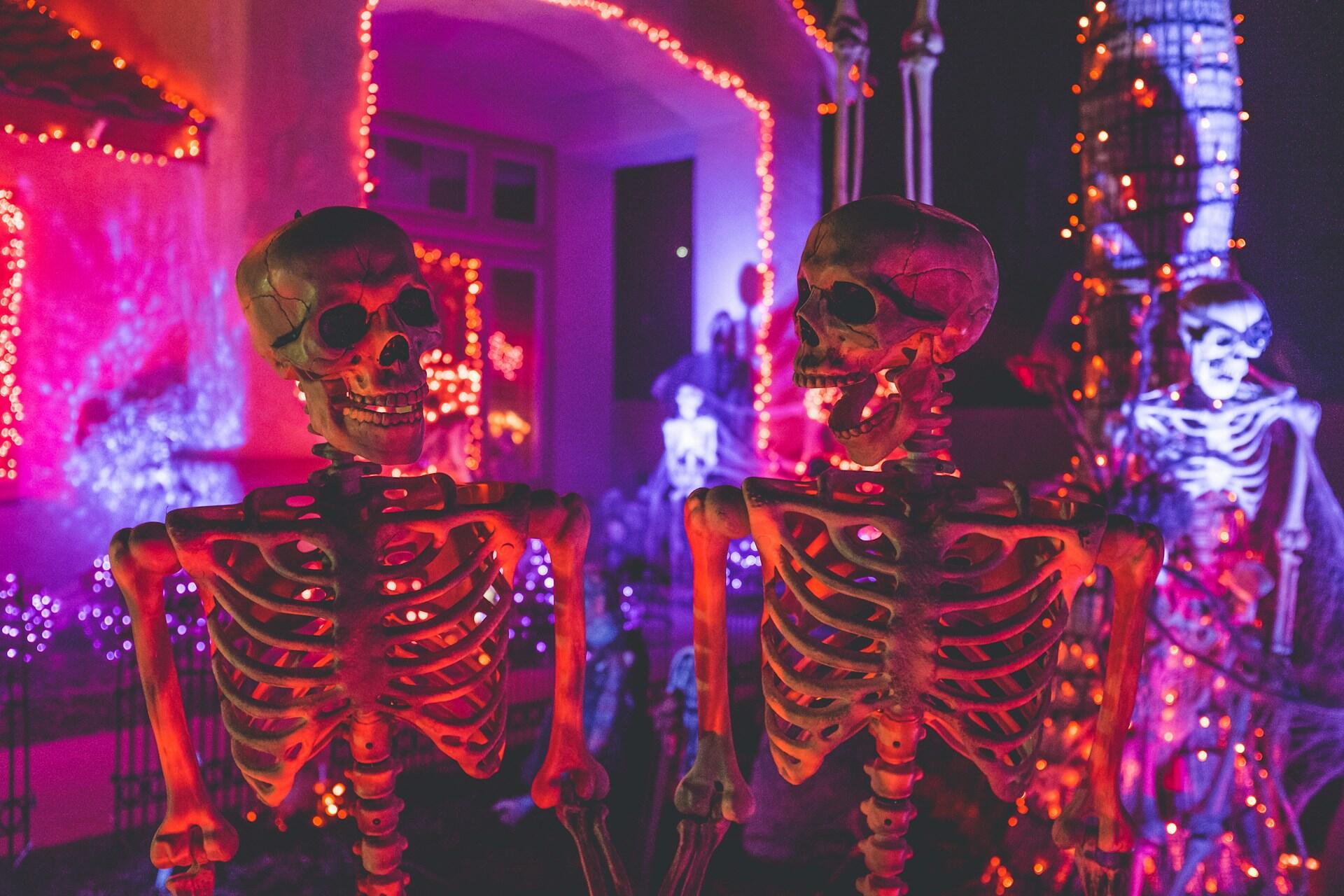
- Is taibhse mé: iss TIVE-sheh may. I’m a ghost.
Halloween Words to Learn in Irish
Once you've learned the main phrases and feel comfortable with them, you can start expanding your vocabulary. Learning words and vocabulary by theme can help you remember them. Even when the vocabulary is sporadic, like characters, objects, or everyday food words, the thematic link of Halloween can make them easier to remember, especially if you're a visual learner who can picture the terms in the Halloween context. Start with a small group of words, then combine them into phrases to reinforce your learning.
Bob nó bia! is an Irish way to say “trick or treat”. A longer Halloween phrase is Tabhair féirín dom, nó buailfidh mé bob ort!, meaning “Give me a treat or I’ll play a trick on you!”⁵
- Taibhse: TIVE-sheh. Ghost
- Cailleach: KAL-yukh. Witch
- Damhán alla: DOW-on ALL-uh. Spider
- Sciathán leathair: SHKEE-uh-hawn LYA-hur. Bat
- Creatlach: KRAT-lukh. Skeleton
- Puimcín: PUM-keen. Pumpkin
- Milseáin: MIL-shyn. Sweets
- Úlla: OO-luh. Apples
- Oráistí: OR-ahss-chee. Oranges
- Cnónna: KNOH-nuh. Nuts
- Siúcra: SHOO-kruh. Sugar
Why Is Halloween Called Oíche Shamhna in Ireland?
We now have our terms, but why is Halloween called Oíche Shamhna in Irish? For one, Samhain (which gives us Shamhna in the final phrase) was the transition into winter. Samhain was marked on 1 November as the first day of winter, while most celebrations took place on the preceding evening, Oíche Shamhna. The English word Halloween has a separate Christian origin in the eve of All Saints.⁷
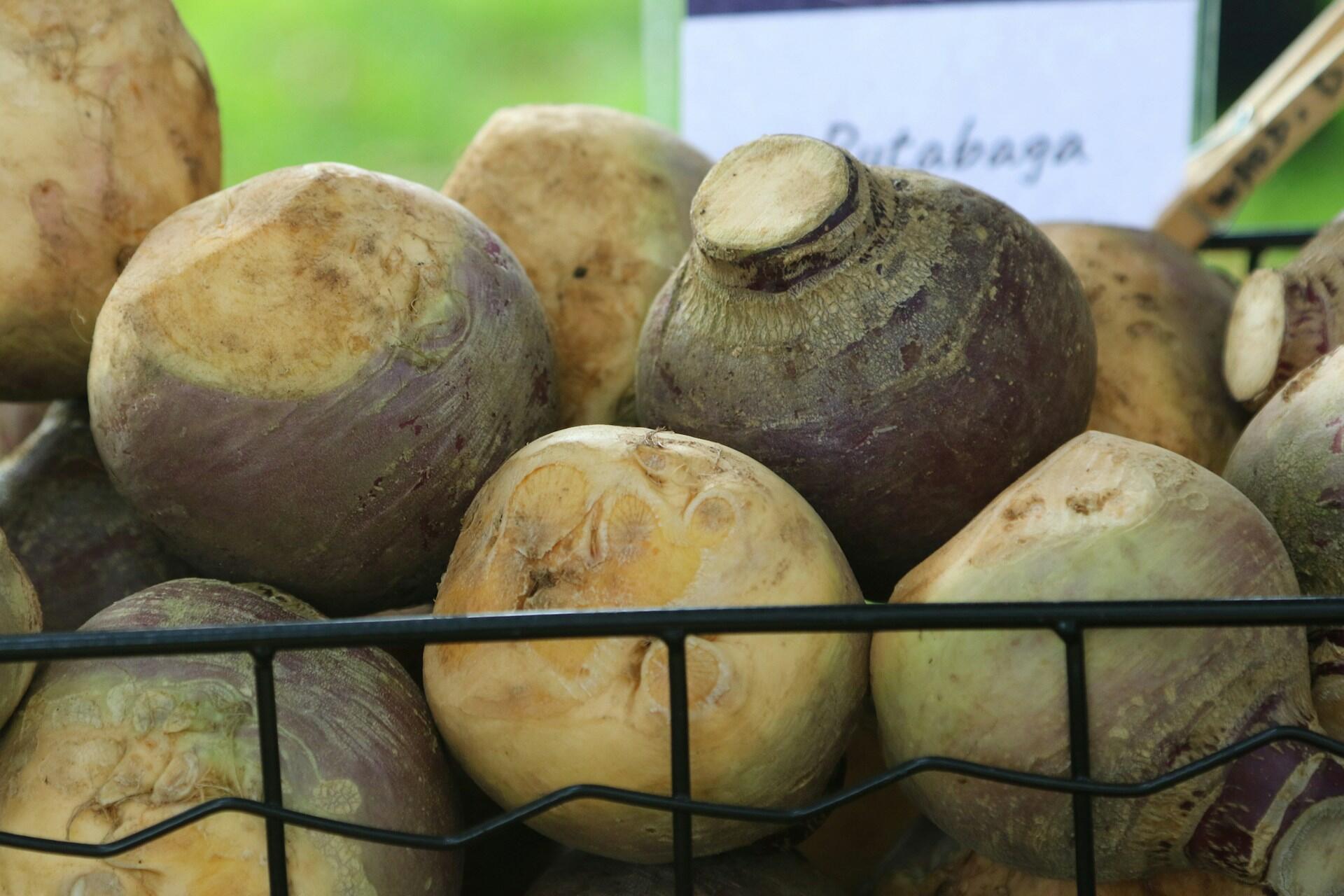
Traditional celebrations often involved more than what we see today. There was feasting, games, apples and nuts, disguises, and beliefs surrounding spirits and the souls of the dead that would carry over into Irish Halloween customs.⁷ The exact traditions may have changed, evolved, or even fallen out of use over time.
There's a lot of evidence for how Oíche Shamhna evolved into Halloween in Ireland. Activities like eating barmbrack, finding objects hidden inside it, and playing games involving apples all predate Halloween.⁶
The English word Halloween has its Christian history, coming from All Hallows or All Saints.⁷ Modern Halloween in Ireland sits at the intersection of the traditional Samhain date and the Christian eve of All Saints. The Irish term Oíche Shamhna preserves the former connection, while the English word Halloween reflects the latter.⁷
Practise Your Irish This Halloween
Practising Halloween vocabulary is a great way to use Gaeilge. You know when Halloween is, and you have a good reason to study some Irish vocabulary before you go to a local Halloween event. A good way to do so is by picking a greeting and a handful of terms. Practise them aloud after listening to native pronunciation and start expanding the list as you get more familiar with the terms. Pay particular attention to the ones that you often get wrong or mispronounce.
If you'd like more help with Irish, look for private tutors on Superprof. There are tutors across the country and online who can help you improve your language skills. The best part? Most of them offer the first session for free so you can try a few options before choosing the right one for you. There's nothing scary about that!
References
- Foras na Gaeilge. “Halloween.” New English-Irish Dictionary, Foclóirí ár Linne. Accessed 28 Aug. 2026. https://www.focloir.ie/en/dictionary/ei/Halloween
- Foras na Gaeilge. “November.” New English-Irish Dictionary, Foclóirí ár Linne. Accessed 28 Aug. 2026. https://www.focloir.ie/en/dictionary/ei/november
- Foras na Gaeilge. “Oíche Shamhna.” Irish Pronunciation Database, Teanglann.ie. Accessed 28 Aug. 2026. https://www.teanglann.ie/en/fuaim/O%C3%ADche_Shamhna
- Foras na Gaeilge. “Samhain.” Irish Grammar Database, Teanglann.ie. Accessed 28 Aug. 2026. https://www.teanglann.ie/ga/gram/samhain
- Gaillimh le Gaeilge. “Gaeilge d’Oíche Shamhna.” Gaillimh le Gaeilge, 8 Oct. 2018. Accessed 28 Aug. 2026. https://gleg.ie/gaeilge/gaeilge-doiche-shamhna/
- National Folklore Collection, UCD. “Oiche Shamhna.” The Schools’ Collection, vol. 0320, p. 001, Dúchas.ie. Accessed 28 Aug. 2026. https://www.duchas.ie/en/cbes/4921674/4889164/4947301
- National Museum of Ireland. “Traditions and Customs of Halloween / Samhain.” National Museum of Ireland. Accessed 28 Aug. 2026. https://source.museum.ie/en-IE/Collections-Research/Folklife-Collections/Folklife-Collections-List-%281%29/Religion-and-Calendar-Customs/Hallowe-en-Samhain
- Nickel, Audrey. “Irish Language Phrases for Oíche Shamhna (Halloween).” Bitesize Irish, 31 Oct. 2012. Accessed 28 Aug. 2026. https://www.bitesize.irish/blog/oiche-shamhna-halloween-2/
- Office of Public Works. “Heritage Ireland Ezine – Autumn 2022.” Gov.ie, 21 Oct. 2022, updated 12 Apr. 2025. Accessed 28 Aug. 2026. https://www.gov.ie/en/office-of-public-works/news/heritage-ireland-ezine-autumn-2022/
Summarise with AI:
Did you like this article? Leave a rating!

 Loading...