
Halloween is now a modern international celebration, but did you know that many of its deepest roots trace back to Ireland and the Gaelic festival of Samhain? Originally marking the transition into winter, Samhain influenced modern Halloween in ways you mightn't have been aware. From medieval tales of the Otherworld to carved turnips and All Hallows' Eve, let's explore how we got from Samhain to Halloween.
Key Takeaways
- Samhain traditionally marked the beginning of winter around 1 November.
- Medieval Irish literature strongly connected Samhain with the Otherworld and divination.
- Halloween developed through a mixture of Gaelic traditions and Christian observances.
- Irish and Scottish migration helped spread Halloween customs to North America.
- Modern Halloween is the result of centuries of change rather than one unchanged ancient festival.


What Is Samhain? Meaning and Origins
Samhain was one of the key events on the traditional Gaelic calendar. It marked the beginning of winter around 1 November.⁴ The festival has deep roots in Irish culture, but the exact origin and meaning of the name are more complicated than just “summer's end”.⁸ Like in other cultures, it's the festival that coincides with the darker half of the year.
Samhain marked the beginning of winter in the traditional Irish calendar. It was observed around 1 November, with celebrations beginning the evening before. It was one of the major seasonal turning points of the Gaelic year.⁴
What Does Samhain Mean?
When Was Samhain Celebrated?
major seasonal festivals in the traditional Gaelic calendar, alongside Imbolc, Bealtaine and Lúnasa.
Samhain in Early and Medieval Ireland
Many of the Samhain beliefs are thought ot have coalesced during medieval times in Irish literature. The festival was often the setting for divination and encounters with the Otherworld.⁹ It was associated with supernatural events, spirits and knowledge of the future.³
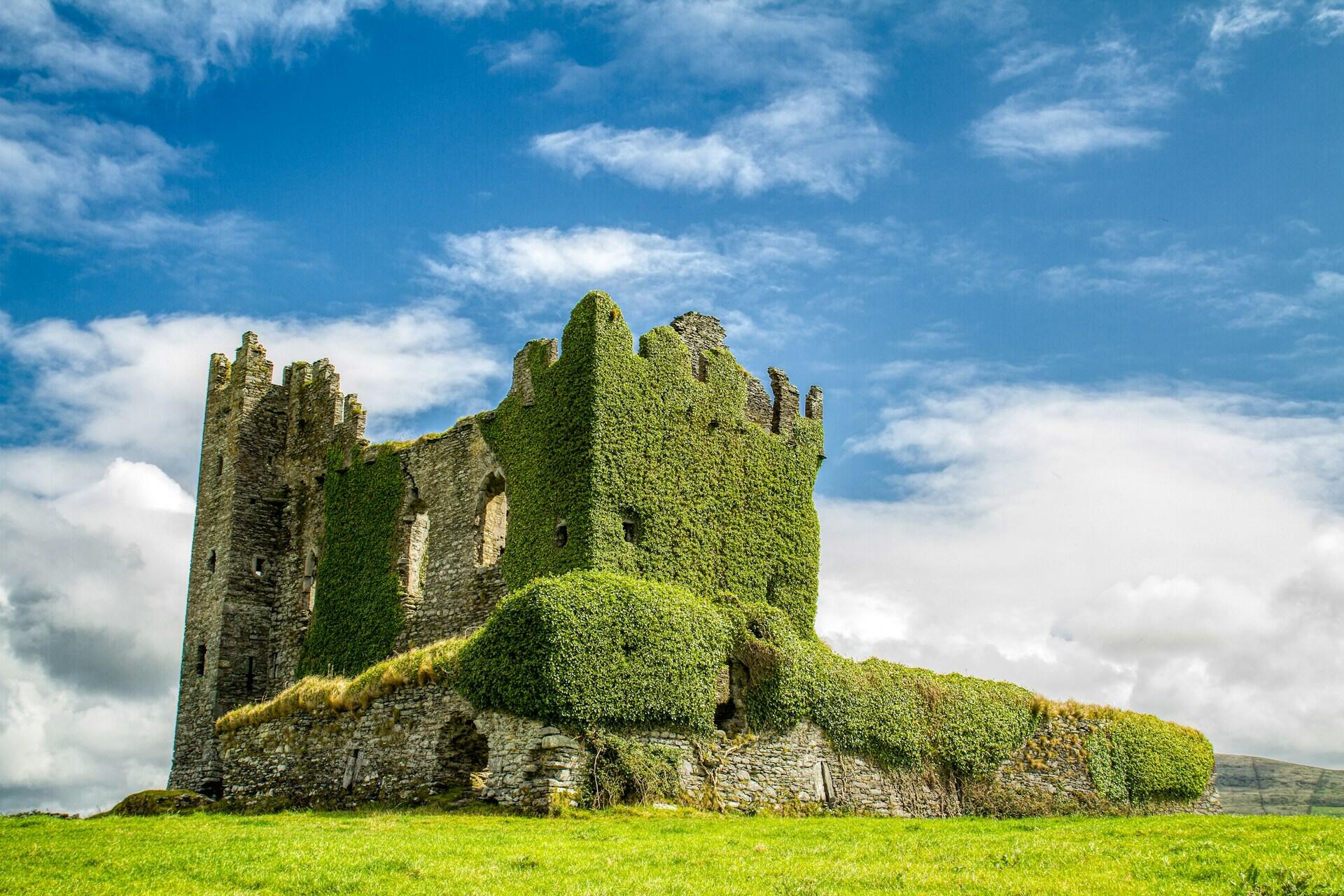
Some of the clearest written evidence linking Samhain with the Otherworld and divination comes from medieval Irish literature, including stories and annal entries that place supernatural encounters around the festival.⁹
The Otherworld, Spirits and the Dead
Feasting, Fires and Seasonal Traditions
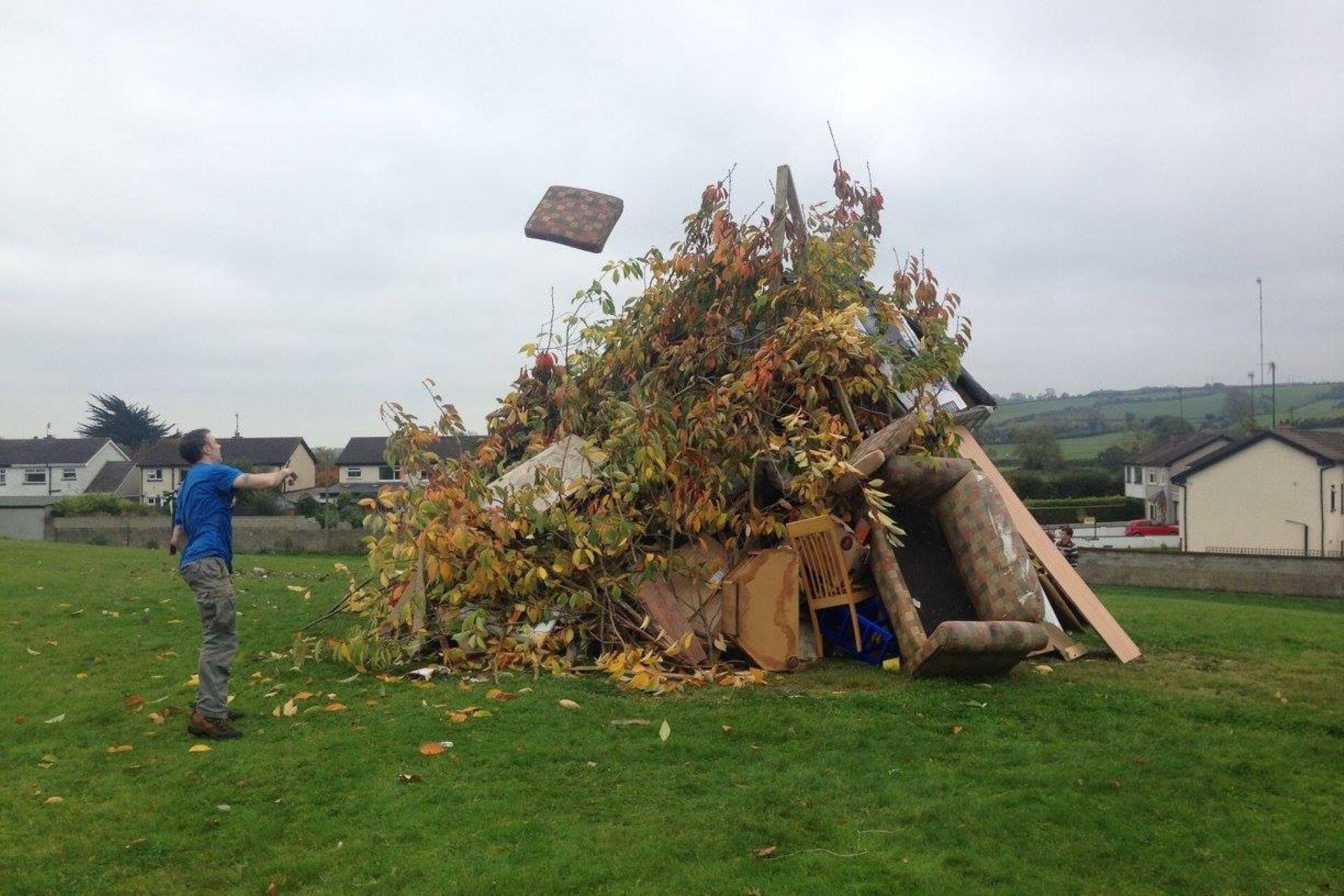
How Samhain Became Part of Irish Halloween
Halloween didn't replace Samhain, and nor did it happen instantly. Older seasonal traditions gradually overlapped with Christian observances like All Saints' Day and All Souls' Day.¹ Irish communities and their traditions continued to develop, and the result was the distinctive form of Halloween that Irish people celebrate today.
Samhain
A Gaelic seasonal festival marking the beginning of winter, later strongly associated with feasting, divination and encounters with the Otherworld.⁹
All Hallows
All Saints' Day and All Souls' Day added a Christian framework of commemoration around the same seasonal period, while the evening before All Saints became known as All Hallows' Eve.¹
Modern Halloween
Irish and Scottish customs such as guising, lantern carving and house visiting continued to evolve before migration helped reshape Halloween traditions in North America.⁶
From Samhain to All Hallows’ Eve
observances: All Hallows’ Eve, All Saints’ Day and All Souls’ Day.
Irish Halloween Customs
| Tradition | Documented Irish custom | Later or modern form |
|---|---|---|
| Guising | People wore disguises or masks and visited neighbouring houses.⁷ | Halloween costumes and door-to-door trick-or-treating |
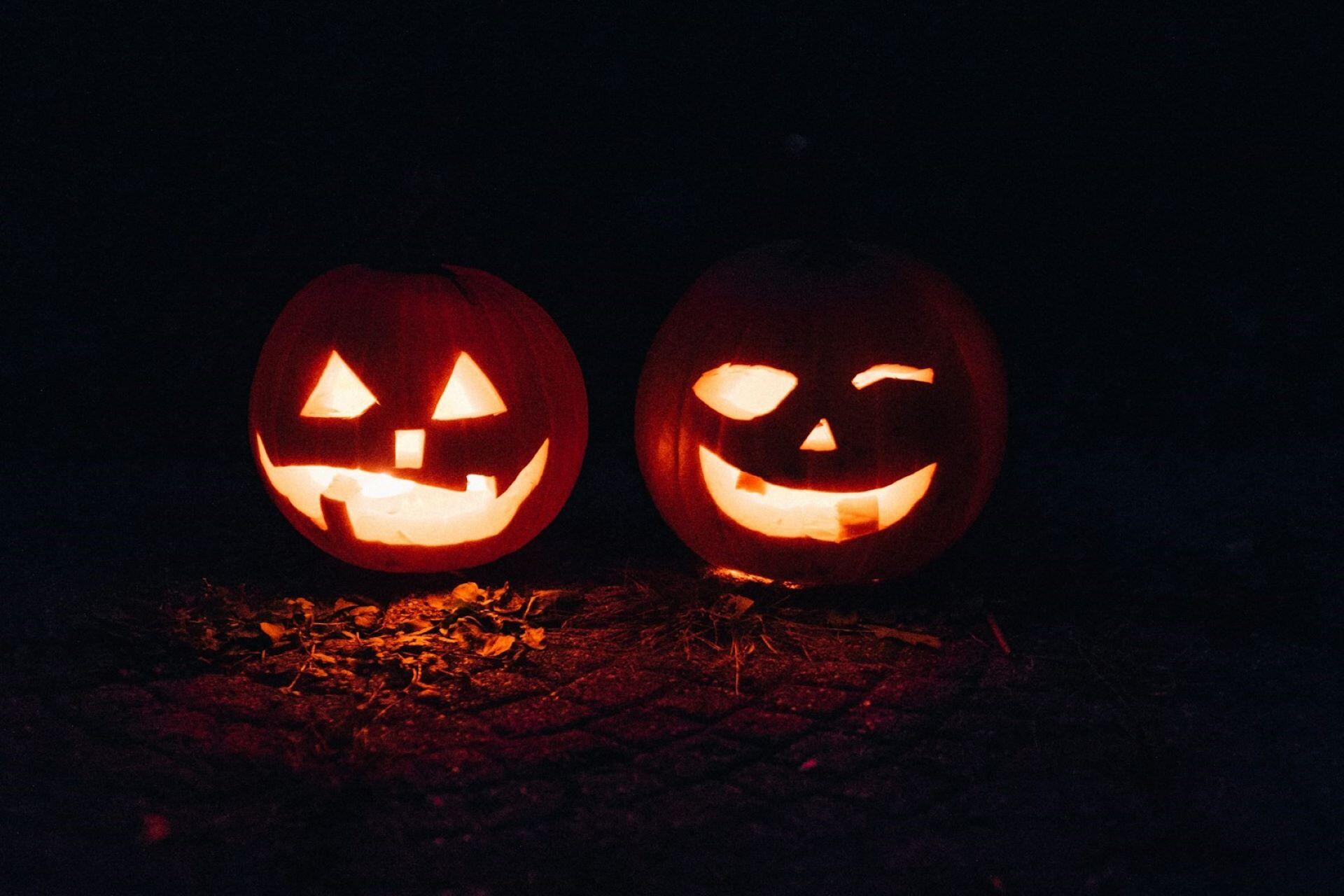
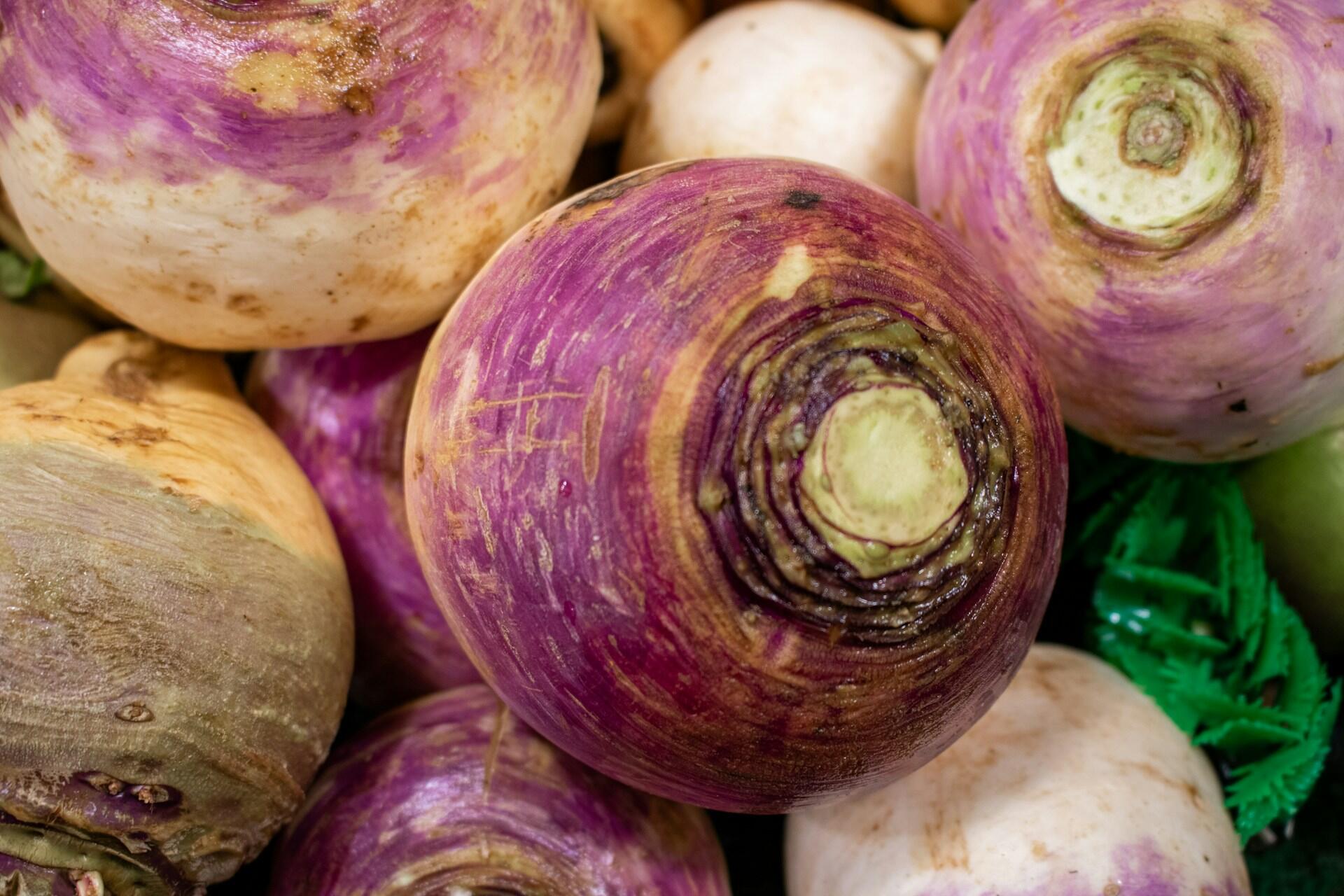
| Lanterns | Turnips were hollowed out, carved and illuminated for Halloween.⁷ | Pumpkins became the standard jack-o’-lantern in North America |
| Apples | Apples featured in Halloween games and fortune-telling traditions.⁴ | Apple bobbing and other Halloween party games |
| Nuts | Nuts were used in divination, including attempts to predict relationships and marriage.⁴ | Mostly preserved as part of historical Halloween folklore |
| Barmbrack | Charms baked inside barmbrack were used to predict a person’s future.⁵ | The hidden ring remains a familiar Irish Halloween tradition |
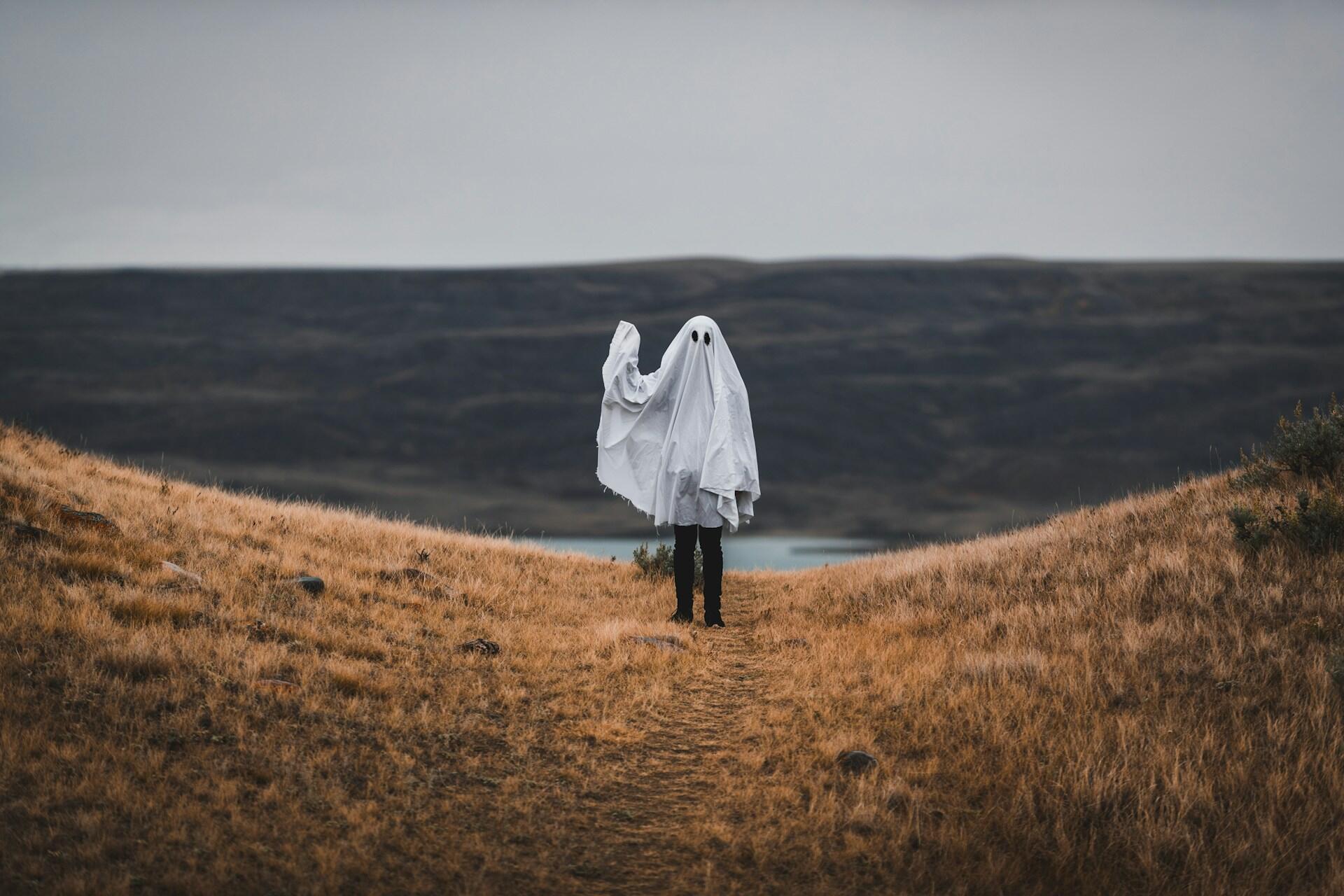
| Spirits | Halloween night was associated with ghosts, spirits and the returning dead.⁴ | Ghosts remain one of the defining symbols of modern Halloween |
How Irish Halloween Traditions Spread Around the World
When Irish and Scottish migrants took their traditions, such as guising, lantern carving, and seasonal mischief, to North America, Halloween began to become more global.⁶ These traditions mixed with local influences and evolved. They would go on to shape the customs that many of us now associate with modern Halloween around the world.⁷
Irish and Scottish Traditions in America
From Turnips to Pumpkins
What Is the Real Origin of Halloween?
There's no single event that's the birth of modern Halloween. Its history is a mix of the Gaelic festival of Samhain, medieval beliefs about the supernatural, Christian observances and later Irish and Scottish folk traditions.⁴ Centuries of cultural development across various locations made Halloween what it is, even if Ireland had a big say in the matter. Perhaps you want to learn how to say "Happy Halloween" in Irish to mark the occasion?
Pre-Christian Ireland
Samhain developed as one of the major seasonal festivals of the Gaelic calendar, marking the beginning of winter on 1 November, with festivities taking place the evening before.⁴
c. 359
One of the earliest known Christian commemorations of all martyrs was recorded at Edessa. However, it was observed on 13 May rather than in November.¹
732
Pope Gregory III dedicated an oratory in St Peter's Basilica to all apostles, martyrs, confessors and saints. The precise date is unknown, but this period became important in the development of the later All Saints observance.¹
798
Archbishop Arno of Salzburg called for a feast of All Saints to be celebrated on 1 November in south-eastern Germany, providing clear evidence that the November date was already in use.¹
835
A later medieval chronicle attributes this year to Pope Gregory IV's request that Louis the Pious extend the 1 November Feast of All Saints across the Frankish Empire, although scholars debate the exact development of the feast.¹
10th century
The Adventures of Nera, dated to around this period, depicts Samhain as a night of darkness, the dead and supernatural encounters, showing how strongly the festival had become associated with the Otherworld in medieval Irish storytelling.³
1084
The Annals of Tigernach record Gilla Lugán visiting a fairy mound at Samhain to receive supernatural knowledge, providing dated medieval evidence of the festival’s association with divination and the Otherworld.⁹
12th century
Irish tales, including The Boyhood Deeds of Fionn and The Dialogue of the Elders, continued to use Samhain as the setting for encounters with fairy mounds, supernatural beings, and otherworldly dangers.³
19th century
Large-scale Irish and Scottish migration helped carry Halloween customs to North America, where traditions such as guising, mischief, and lantern carving continued to evolve.⁶
1937–1938
Ireland's Schools' Collection recorded Halloween beliefs and customs from communities around the country, preserving evidence of divination, games, food traditions and beliefs concerning spirits that remained alive in the 20th century.⁵
References
- “All Saints, Solemnity of.”New Catholic Encyclopedia, Encyclopedia.com. Accessed 28 Aug. 2026. https://www.encyclopedia.com/religion/encyclopedias-almanacs-transcripts-and-maps/all-saints-solemnity
- Hewitt, Simon. “Is Halloween the New St Patrick's Day Festival?” RTÉ Brainstorm, 16 Oct. 2025. Accessed 28 Aug. 2026. https://www.rte.ie/brainstorm/2025/1016/1538705-halloween-st-patricks-day-festival-home-of-halloween-scheme/
- Mac Auliffe, Hannah. “‘Great Was the Darkness’: Spooky Stories from Medieval Ireland.” RTÉ Brainstorm, 24 Oct. 2023. Accessed 28 Aug. 2026. https://www.rte.ie/brainstorm/2023/1023/1412430-ghost-stories-medieval-ireland-folklore-halloween-samhain/
- National Museum of Ireland. “Traditions and Customs of Halloween / Samhain.” National Museum of Ireland. Accessed 28 Aug. 2026. https://www.museum.ie/en-IE/Collections-Research/Folklife-Collections/Folklife-Collections-List-(1)/Religion-and-Calendar-Customs/Hallowe-en-Samhain
- Ní Mhaoláin, Lára. “Preserving Samhain - Halloween in the Schools’ Collection of Irish Folklore.” Maynooth University, 30 Oct. 2025. Accessed 28 Aug. 2026. https://www.maynoothuniversity.ie/research/spotlight-research/preserving-samhain-halloween-schools-collection-irish-folklore
- Thomas, Heather. “The Origins of Halloween Traditions.” Headlines & Heroes, Library of Congress, 26 Oct. 2021. Accessed 28 Aug. 2026. https://blogs.loc.gov/headlinesandheroes/2021/10/the-origins-of-halloween-traditions/
- Ulster Folk Museum. “Unveiling the Traditions of Samhain and Halloween.” Ulster Folk Museum, 20 Oct. 2025. Accessed 28 Aug. 2026. https://www.ulsterfolkmuseum.org/news/unveiling-traditions-samhain-and-halloween
- University College Cork, Department of Early and Medieval Irish. “Here Comes Summer!(?).” University College Cork, 1 Nov. 2022. Accessed 28 Aug. 2026. https://www.ucc.ie/en/smg/newsevents/here-comes-summer.html
- University College Cork, Department of Early and Medieval Irish. “Secrets at Samhain.” University College Cork, 31 Oct. 2021. Accessed 28 Aug. 2026. https://www.ucc.ie/en/smg/newsevents/secrets-at-samhain.html
Summarise with AI:
Did you like this article? Leave a rating!

 Loading...