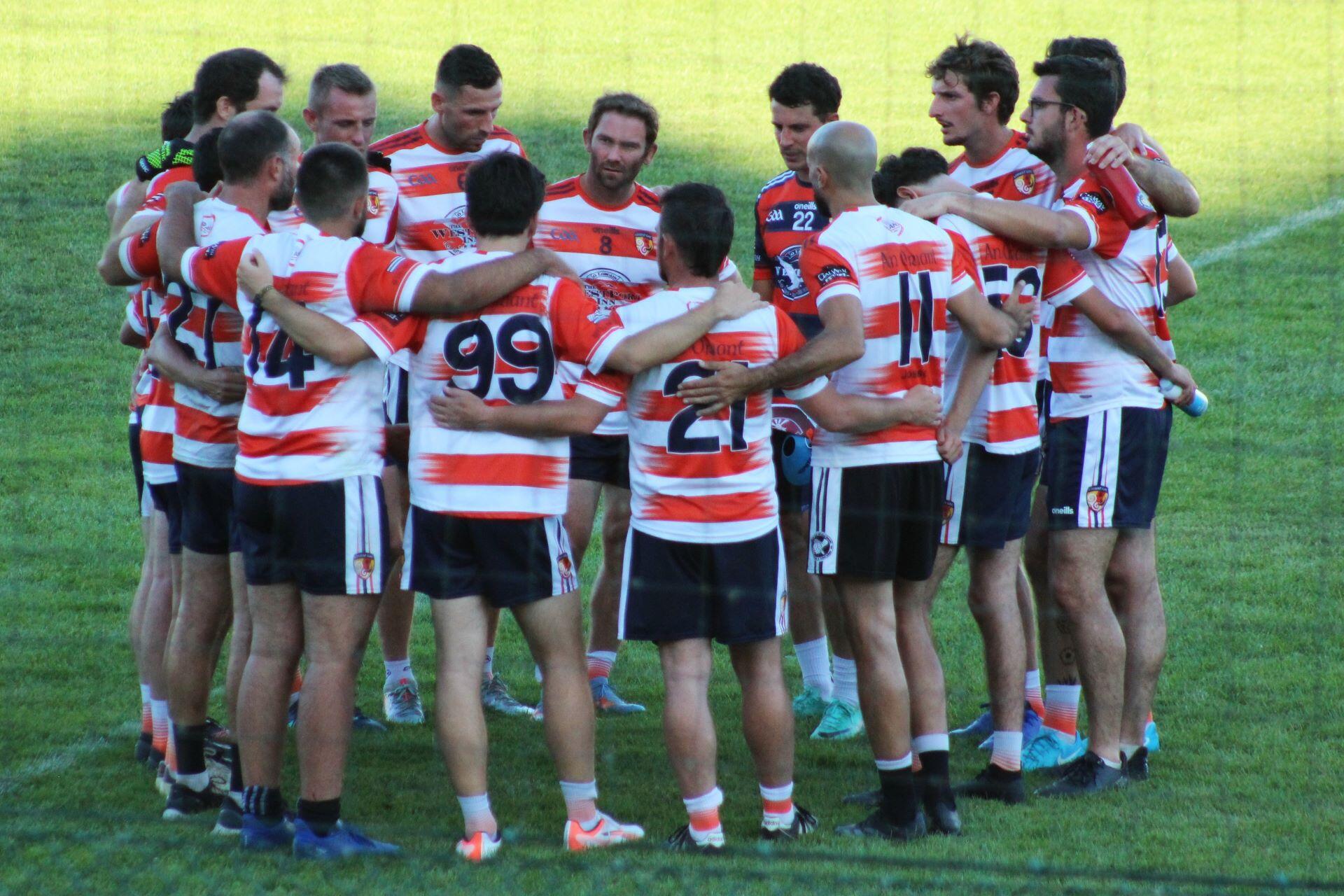

Gaelic football is easy to enjoy once you understand the rules. Start by learning how to move the ball and use it to score. Here, we'll look quickly at the rules of Gaelic football and how the new rules affect the game.
Key Takeaways
- Each team normally fields 15 players, including one goalkeeper.
- Players must bounce, solo, kick or pass after four steps.
- Scores can be worth one, two or three points.
- The new rules encourage longer kick-outs, attacking space and long-range shooting.
- Yellow, black and red cards carry different disciplinary consequences.


Overview of Gaelic Football
New to Gaelic football? It's one of Ireland's main Gaelic games. It may have started with older Irish ball games centuries ago, but it was formalised through the GAA in the late 19th century and continues to evolve.
Gaelic football combines kicking, carrying and hand-passing in a fast-moving field sport played between two teams. Each full team has 15 players, including a goalkeeper and 14 outfield players.⁷ Teams score by sending the ball over the crossbar for one or two points or under it into the net for a three-point goal. The GAA’s Official Guide sets the rules for everything from playing the ball to scoring, substitutions and disciplinary sanctions.⁷
History and Origins
The Playing Field and Equipment
Fundamental Rules of Play
The fundamental rules of play in Gaelic football cover how players in different positions carry, pass, kick and contest the ball. After four steps, players have to release or play the ball. There are legal ways to do this.
Legal Ways to Play the Ball
- Carry the ball for up to four consecutive steps.
- Release it by bouncing or toe-tapping it back into the hands.
- Kick the ball from the hands or from the ground.
- Pass it by striking with a closed fist or open hand.
- Lift a grounded ball with the foot rather than picking it up directly.
- Bounce once before using another legal action.⁵
Common Technical Fouls
- Taking more than four steps without releasing the ball.
- Bouncing the ball twice consecutively.
- Throwing the ball instead of striking it during a hand-pass.
- Picking the ball directly from the ground with the hands.
- Using an illegal hand-passing motion.
- Carrying the ball over the opposition’s goal line.
- Playing the ball after committing a technical infringement.⁷
Team Composition and Positions
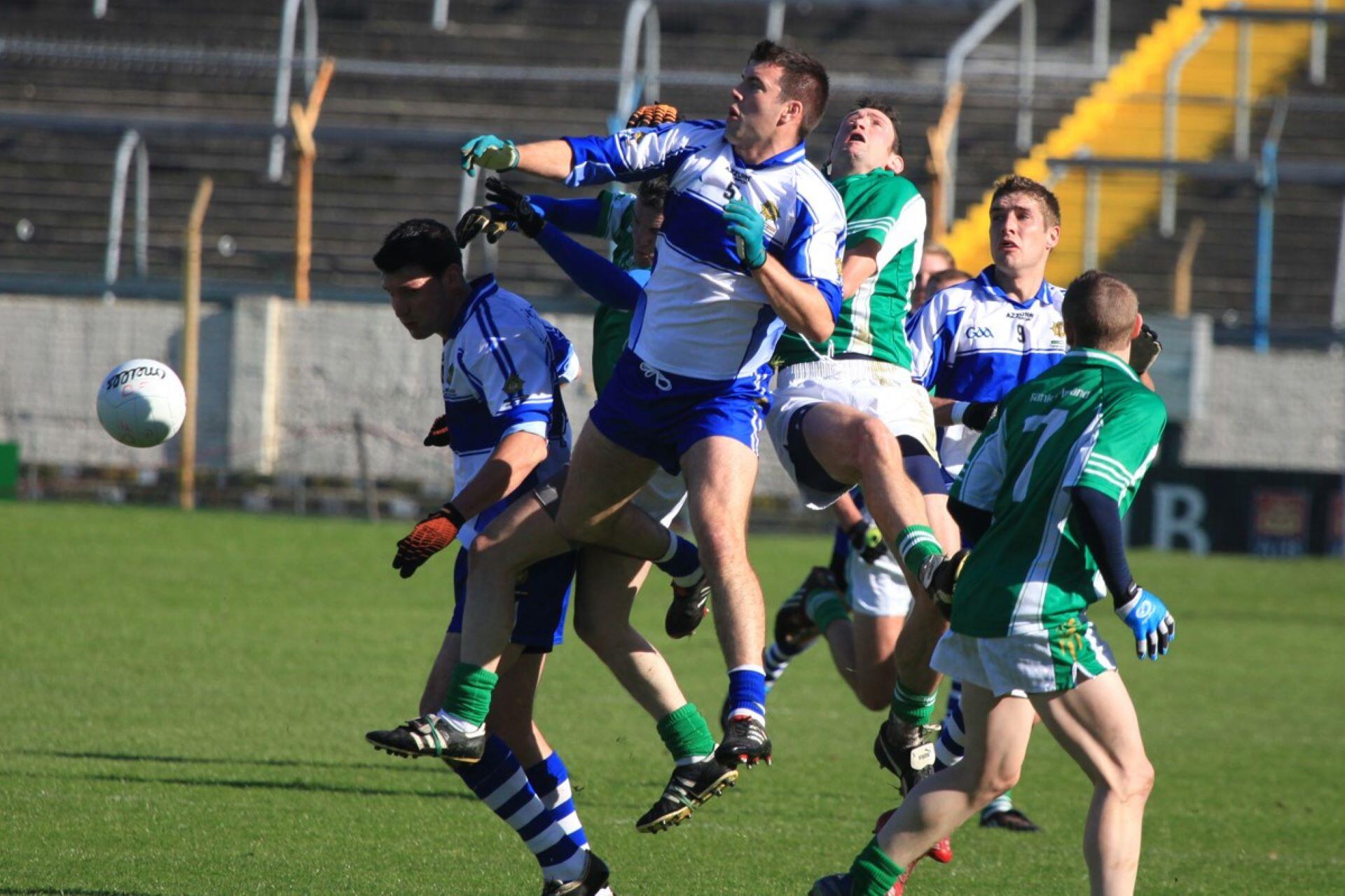
players, including one goalkeeper and 14 outfield players.⁷
Gameplay Mechanics
Scoring System
Recent Rule Changes in Gaelic Football
There have been some new rules in Gaelic football. Even if you felt you were au fait with the old rules, it's worth checking the newer ones. The Football Review Committee’s enhancements were first trialled in 2025, with amended versions now forming part of the current Gaelic football rules.⁴
The changes commonly described as the new Gaelic football rules were trialled during inter-county and club competitions in 2025.⁹ The GAA’s Special Congress adopted the Football Review Committee changes permanently in October 2025, with several further amendments taking effect from January 2026.³ The current versions are contained in the Official Guide effective from 27 March 2026, which replaces all previous editions.⁷ Early explanations of the trial rules may therefore differ from the regulations now in force.
Overview of 2025 Rule Amendments
| Rule change | Current rule | Effect on the game |
|---|---|---|
| Kick-outs | The kick-out is taken from the centre of the 20-metre line and must travel beyond both the 20-metre line and the 40-metre arc before a teammate can play it. | Encourages longer restarts and more contests for possession. |
| Player positioning | Each team must retain at least four players, potentially including the goalkeeper, in its own half and at least three outfield players in the opposition half. | Creates more space and limits mass defensive systems. |
| Two-point score | A kick over the crossbar is worth two points when the kicker has at least one foot on or outside the 40-metre arc and no teammate subsequently touches the ball. | Rewards accurate long-range shooting. |
| Advanced mark | A player earns a mark by cleanly catching a qualifying long kick on or inside the opposition 20-metre line without the ball touching the ground. | Encourages direct kick-passing into attack. |
| Solo and Go | Many free kicks can be restarted immediately from within four metres of the foul, but the ball cannot travel backwards and the restart cannot be taken inside the opposition 20-metre line. | Speeds up play and reduces delays. |
| Goalkeeper passes | A goalkeeper may receive a teammate’s pass only when both players are inside the large rectangle or when the goalkeeper is in the opposition half. | Restricts repeated back-passes and possession recycling. |
| Advantage rule | The referee allows play to continue until it becomes clear that an advantage has or has not developed. | Gives attacking teams more opportunity to benefit after a foul. |
| Dissent and interference | Certain offences involving dissent or interference with a restart can move a free up to 50 metres closer to the opposing goal. | Discourages disruption and improves discipline. |
Implications of the New Rules
points under the current Gaelic football rules.⁷
Officiating and Game Management
In Gaelic football, the officials apply the rules, confirm scores, and control player conduct. The referee is the primary authority, with line umpires and goal umpires assisting with decisions around the boundaries and scoring area. Penalties can vary depending on the technical, cynical, or dangerous nature of the offence.
A yellow card is a formal caution, while a black card sends a player to the sin bin for ten minutes.⁷ A further yellow or black card results in dismissal, and serious ordering-off offences can bring an immediate red card.⁷ Technical fouls generally lead to a free kick, while dissent, delaying play and certain cynical offences can bring stronger territorial or disciplinary penalties.⁷
Role of Match Officials
Common Fouls and Penalties
Strategies and Tactics
In the modern game, the best players have to find a balance between direct attacking play and the need to protect space and retain possession. With the recent rule changes, teams are encouraged to kick forward, use width and create shooting opportunities from distance. Defenders are also required to press intelligently while keeping the required players in each half.
Offensive Strategies
Defensive Tactics
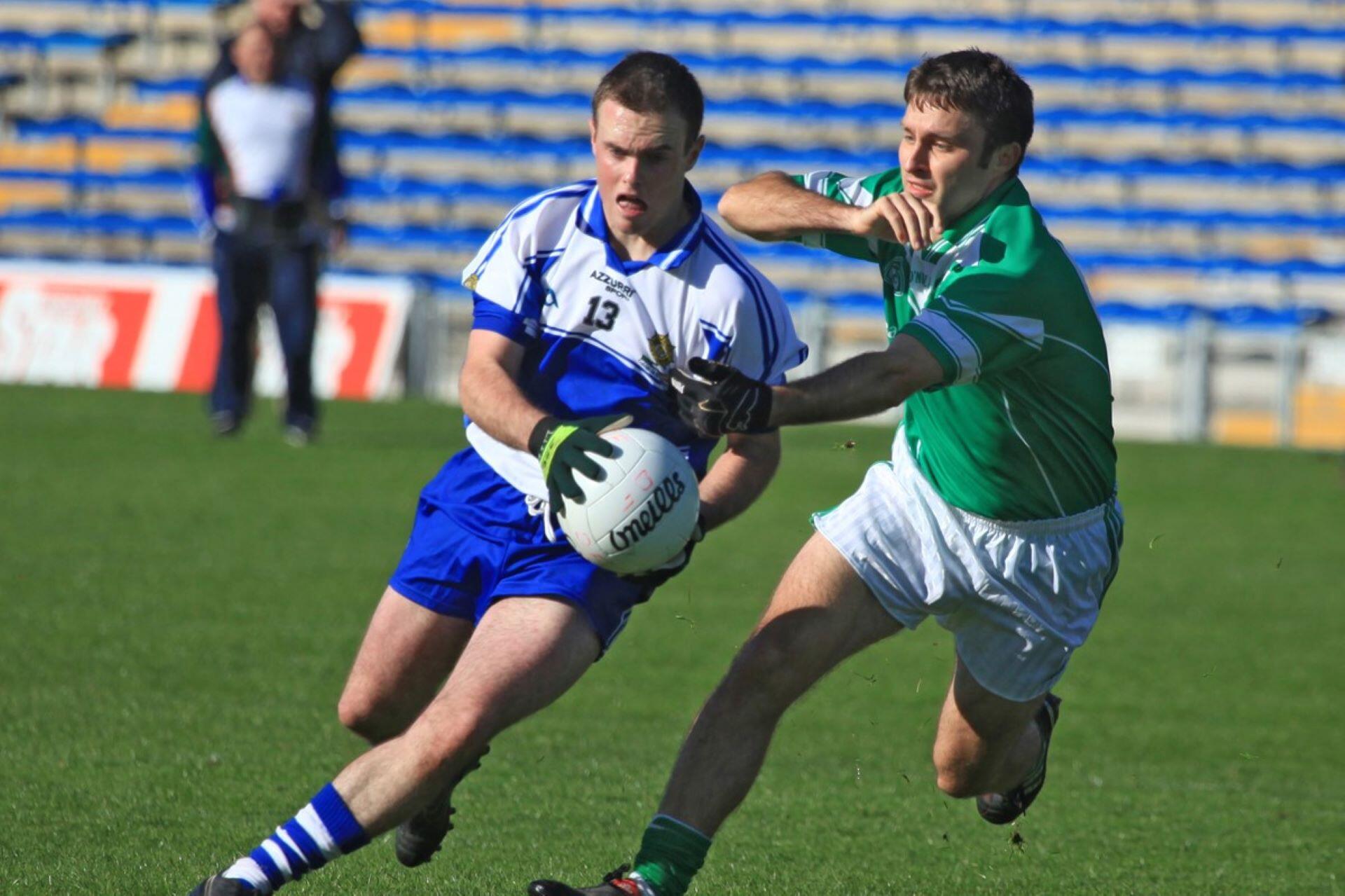
Getting Involved in Gaelic Football
Interested in Gaelic football? Luckily for you, clubs welcome beginners of different ages and abilities. With local teams providing a pitch to play on, organised coaching, regular training and opportunities to play socially or competitively, there's something for everyone.
Joining a Club
Training and Development
References
- Campbell, Noel. “Gaelic Athletic Association Football Rules Book 1888.” National Museum of Ireland, n.d., https://www.museum.ie/en-IE/Collections-Research/Collection/Documentation-Discoveries/Artefact/Gaelic-Athletic-Association-Football-Rules-Book-18/c6a88203-7819-40ef-b0ae-4d589cb1c3a3. Accessed 13 Jul. 2026.
- Gaelic Athletic Association. “1 November, 1884: The Birth of a Sporting Revolution.” GAA, 29 Oct. 2024, https://www.gaa.ie/article/1-november-1884-the-birth-of-a-sporting-revolution. Accessed 13 Jul. 2026.
- Gaelic Athletic Association. “All 62 Motions Passed at GAA Special Congress.” GAA, 4 Oct. 2025, https://www.gaa.ie/article/all-62-motions-passed-at-gaa-special-congress. Accessed 13 Jul. 2026.
- Gaelic Athletic Association. “Football Review Committee Rule Enhancements Explainer.” GAA, 23 Jan. 2025, https://www.gaa.ie/article/football-review-committee-rule-enhancements-explainer. Accessed 13 Jul. 2026.
- Gaelic Athletic Association. “Gaelic Football.” GAA, n.d., https://www.gaa.ie/my-gaa/getting-involved/gaelic-football. Accessed 13 Jul. 2026.
- Gaelic Athletic Association. “Getting Involved.” GAA, n.d., https://www.gaa.ie/my-gaa/getting-involved. Accessed 13 Jul. 2026.
- Gaelic Athletic Association. Official Guide: Part 2. 15 Apr. 2026, https://www.gaa.ie/api/images/image/upload/t_q-best/prd/xi4oyuttzqpaqr2vfhbn.pdf. Accessed 13 Jul. 2026.
- Gaelic Athletic Association. “The Skills of Gaelic Football.” Tobar, n.d., https://learning.gaa.ie/footballskills. Accessed 13 Jul. 2026.
- Harrington, John. “Football Review Committee Publishes Final Report.” GAA, 4 Sept. 2025, https://www.gaa.ie/article/football-review-committee-publishes-final-report. Accessed 13 Jul. 2026.
- Harrington, John. “Jarlath Burns Hails Work of FRC after Special Congress Ratifies Rules.” GAA, 4 Oct. 2025, https://www.gaa.ie/article/jarlath-burns-hails-work-of-frc-after-special-congress-ratifies-rules. Accessed 13 Jul. 2026.
Summarise with AI:
Did you like this article? Leave a rating!

 Loading...