In Gaelic football, players have clear starting roles within the 15-person team. From the goalkeeper to the left corner-forward, the numbers indicate what each player will do. However, the modern game has made things a little more complicated than that. New to GAA? Let's explore the positions on the pitch.
Key Takeaways
- A Gaelic football team has one goalkeeper and 14 outfield players.
- The outfield comprises six defenders, two midfielders, and six forwards.
- Jersey numbers 1 to 15 correspond to the traditional positional layout.
- Modern players regularly move beyond their named starting positions.
- Current rules require teams to retain players in both halves of the pitch.
- Training priorities vary between goalkeepers, defenders, midfielders and forwards.


Overview of Team Composition
In Gaelic football, teams use a traditional numbered formation, with the pitch divided into defensive, midfield and attacking units. Each position has a recognised starting area and set of responsibilities, helping the team maintain balance when contesting possession.¹ However, players often move beyond these zones.
Jersey numbers identify the traditional starting positions in Gaelic football, but players are not confined to one area throughout a match. Defenders may join attacks, forwards often track back, and midfielders move between both halves depending on possession. Modern roles are therefore shaped by tactics as well as the numbered formation.⁷
With the standard team structure, coaches have enough players to defend the goal, compete in the midfield, and maintain attacking options. Tactical formation might change, but the team size is always the same. The conventional numbers go from 1, the goalkeeper, to the corner-forward wearing number 15.
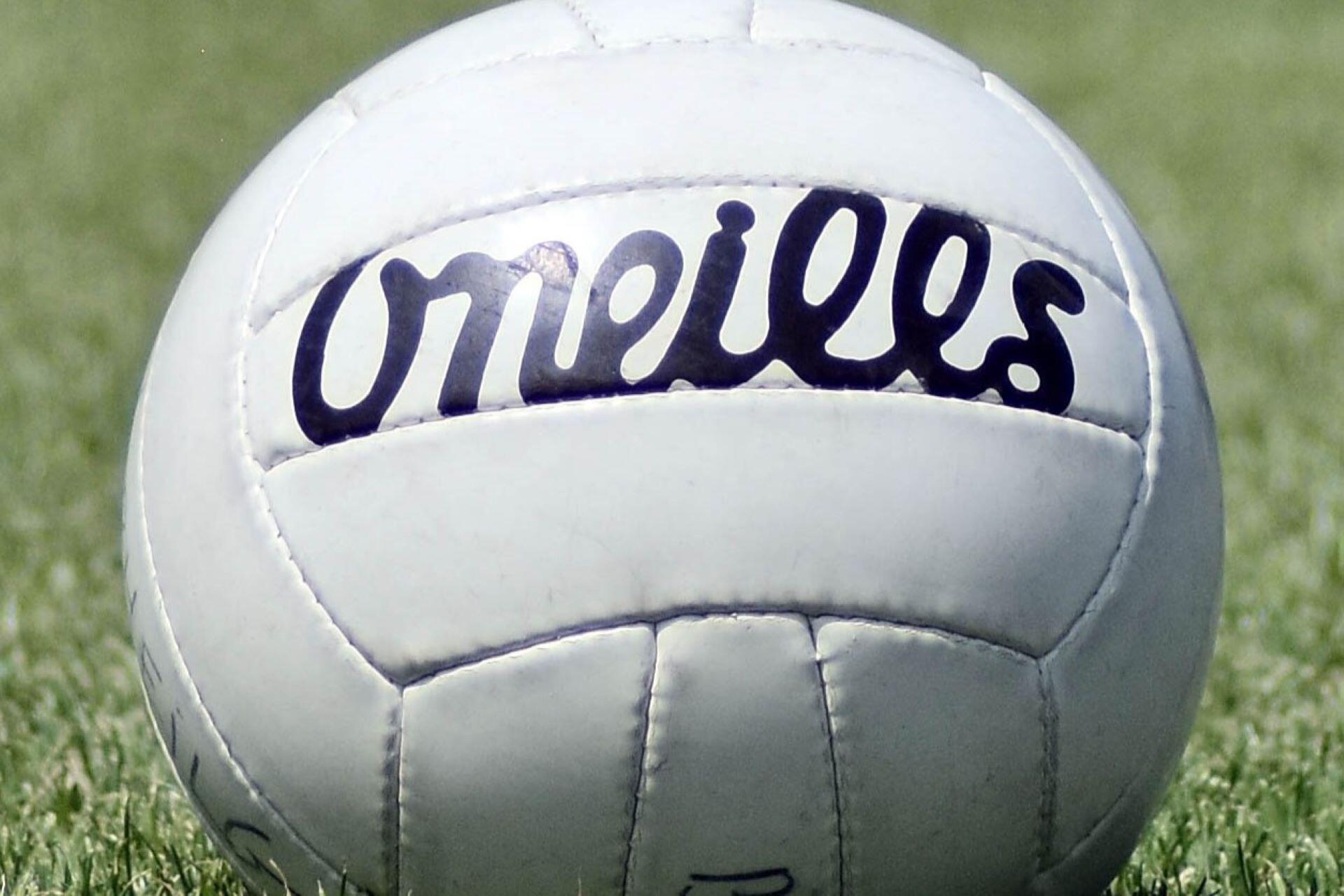
players across the field: goal, defence, midfield, and attack.³
| Number | Position | Unit | Main Responsibilities | Important Skills |
|---|---|---|---|---|
| 1 | Goalkeeper | Goal | Stop shots, organise the defence and restart play through kick-outs | Reflexes, communication, handling and distribution |
| 2 | Right corner-back | Full-back line | Mark the left corner-forward and prevent close-range scoring chances | Tight marking, tackling, pace and anticipation |
| 3 | Full-back | Full-back line | Protect the central goal area and mark the opposing full-forward | Strength, positioning, aerial ability and leadership |
| 4 | Left corner-back | Full-back line | Mark the right corner-forward and cover attacks from the flank | Agility, tackling, recovery speed and awareness |
| 5 | Right half-back | Half-back line | Break up attacks, win possession and support forward movement | Interceptions, carrying, passing and stamina |
| 6 | Centre half-back | Half-back line | Organise the defence and protect the central channel | Reading play, fielding, distribution and communication |
| 7 | Left half-back | Half-back line | Defend the flank and help launch counterattacks | Tackling, movement, ball-carrying and support play |
| 8 | Midfielder | Midfield | Contest kick-outs, win possession and link defence with attack | Fielding, endurance, strength and passing |
| 9 | Midfielder | Midfield | Support possession, cover space and move the ball between units | Mobility, decision-making, tackling and ball control |
| 10 | Right half-forward | Half-forward line | Create chances, support midfield and press opposing defenders | Passing, movement, work rate and shooting |
| 11 | Centre half-forward | Half-forward line | Direct attacks and create openings through the centre | Vision, ball retention, distribution and scoring |
| 12 | Left half-forward | Half-forward line | Link play, make supporting runs and threaten from distance | Movement, passing, stamina and shooting |
| 13 | Right corner-forward | Full-forward line | Find space and convert scoring opportunities near goal | Acceleration, finishing, movement and composure |
| 14 | Full-forward | Full-forward line | Provide a central target and create or finish scoring chances | Strength, catching, ball retention and finishing |
| 15 | Left corner-forward | Full-forward line | Attack from the flank and exploit space close to goal | Pace, shooting, movement and one-on-one ability |
Detailed Breakdown of Positions
As we've just seen, the positions in Gaelic football traditionally go from goalkeeper to left-corner forward. Each line has a purpose, but in the modern game, there's more flexibility. The best players need to support transitions, cover space and contribute outside their nominal starting zones.²
Goalkeeper (Number 1)
Defenders
Full-Back Line
Half-Back Line
Midfielders
Forwards
Half-Forward Line
Full-Forward Line
Player Roles and Responsibilities
Player responsibilities depend on the phase of play as much as their starting position. When possession changes, teams have to react quickly, creating passing lanes, protecting central space, and maintaining enough width and depth to move the ball effectively.⁷ They can do this in multiple ways, but here are 3 clear ways for those new to the sport.
Defensive Pressure
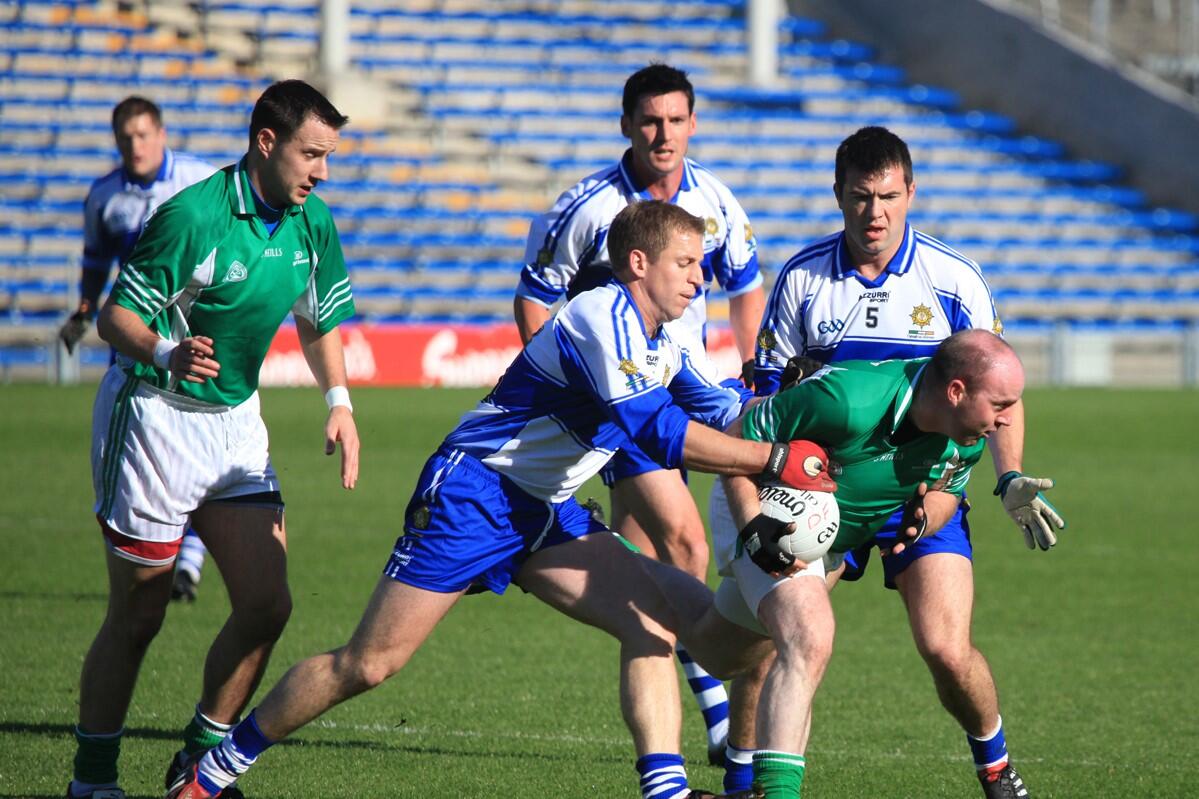
Players close down the ball carrier, track runners and support nearby teammates. Effective defending depends on coordinated pressure rather than isolated one-to-one marking.
Transition Decisions
After regaining possession, players must quickly decide whether to counterattack, retain the ball or switch play. Good choices help the team escape pressure and exploit available space.
Communication and Cover
Clear communication helps organise kick-outs, track the opposition's movement, and cover teammates who advance. These shared responsibilities allow the side to function as a single, cohesive unit.
Evolution of Positions in Modern Gaelic Football
In modern Gaelic football, the numbers still reflect the original traditions. However, the increase in flexibility is notable. You'll regularly see defenders contribute to attacks, forwards apply pressure without the ball, and goalkeepers are more influential during possession. With recent rule changes, how teams spread players across the pitch and manage transitions between defence and attack has also changed.⁴
Teams must generally keep at least four players in their own half and three outfield players in the opposition half.³ This encourages attacking outlets and reduces the number of players that can retreat into a crowded defence. It also requires teams to organise transitions carefully when defenders or midfielders advance.
Training and Skills Development for Each Position
While positions are more flexible than ever, that doesn't mean training is the same for every player. Training typically still covers what players need to be ready for during a match. Of course, every player needs strong handling, kicking, tackling and decision-making, but different areas of the pitch place greater emphasis on particular physical and technical skills.⁶
Common Strategies and Formations
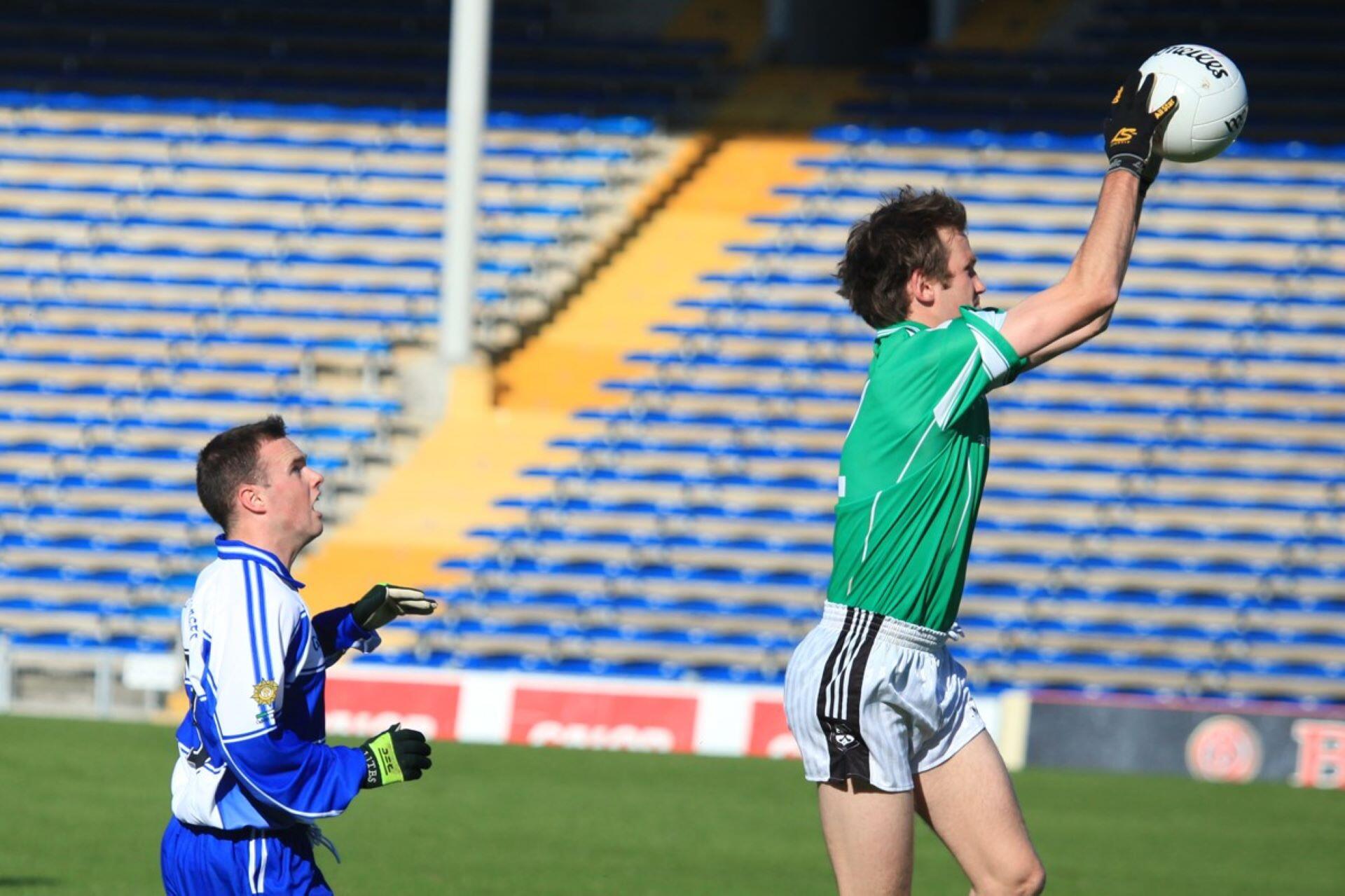
Teams don't remain in a fixed shape for a whole match. The formation is fluid according to possession, scoreline and opposition pressure, with players moving between defensive, transitional and attacking roles. Numbers may indicate the underlying role, but there's more nuance to it than that.
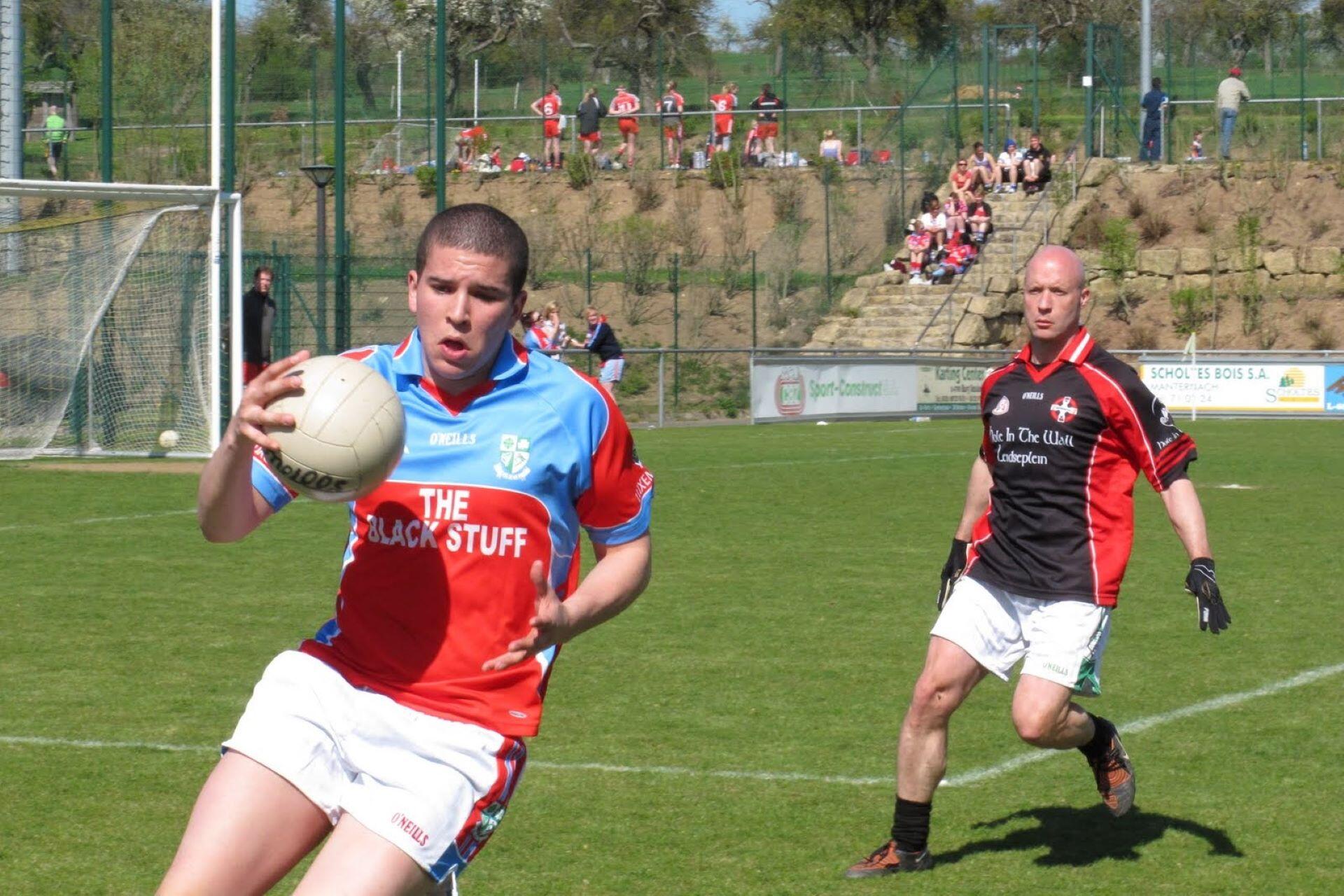
Every player needs strong handling, kicking, tackling, movement and decision-making skills. Position-specific sessions can then develop goalkeeper reactions, defensive marking, midfield fielding or forward shooting. Game-based drills are especially useful because they reproduce the transitions and pressure players experience during matches.⁶
Under the current rules, with substitutions, managers can respond to tactical demands. Whether it's an approach not working or fatigue affecting performance, replacements can make the difference. They might strengthen a particular match-up, add pace to the attack or help the team protect a lead.
substitutions under the current GAA rules.³
Conclusion
Ultimately, by learning more about Gaelic football positions, you'll get better at following how teams defend, build attacks, and create scoring chances. Start by learning the traditional number system, but remember that the modern game has more adaptive players, especially as possession changes. Recognise the starting positions and the responsibilities of the various roles. If you need more help, look for a private Gaelic football tutor or coach on Superprof, and they'll be happy to help you get more involved with the game.
References
- Gaelic Athletic Association. “Gaelic Football.” GAA, n.d., https://www.gaa.ie/my-gaa/getting-involved/gaelic-football. Accessed 13 Jul. 2026.
- Gaelic Athletic Association. “Gaelic Football Player Position Specific Information.” GAA Learning, n.d., https://learning.gaa.ie/sites/default/files/Gaelic%20Football%20Player%20Position%20Specific%20Information.pdf. Accessed 13 Jul. 2026.
- Gaelic Athletic Association. Official Guide Part 2: 15.04.2026. 15 Apr. 2026, https://www.gaa.ie/api/images/image/upload/t_q-best/prd/xi4oyuttzqpaqr2vfhbn.pdf. Accessed 13 Jul. 2026.
- Harrington, John. “Football’s Survival of the Fittest Is a Race of Adaptation.” GAA, 21 May 2025, https://www.gaa.ie/article/football-s-survival-of-the-fittest-is-a-race-of-adaptation. Accessed 13 Jul. 2026.
- Intersport Elverys. “A Starters Guide to Gaelic Football Positions.” Intersport Elverys, n.d., https://www.elverys.ie/blogs/blog/gaelic-football-positions-guide. Accessed 13 Jul. 2026.
- Meath GAA. Youth Football Turas Resource. May 2026, https://meath.gaa.ie/wp-content/uploads/2026/05/Youth-Football-Turas-Resource.pdf. Accessed 13 Jul. 2026.
- Timmons, Kate, Kieran Collins, and Shane Mangan. “The Science of Gaelic Football Match-Play and Recommendations for Future Research Directions: A Narrative Review.” Sport Sciences for Health, 11 Sept. 2025, https://d-nb.info/138144363X/34. Accessed 13 Jul. 2026.
Summarise with AI:
Did you like this article? Leave a rating!

 Loading...