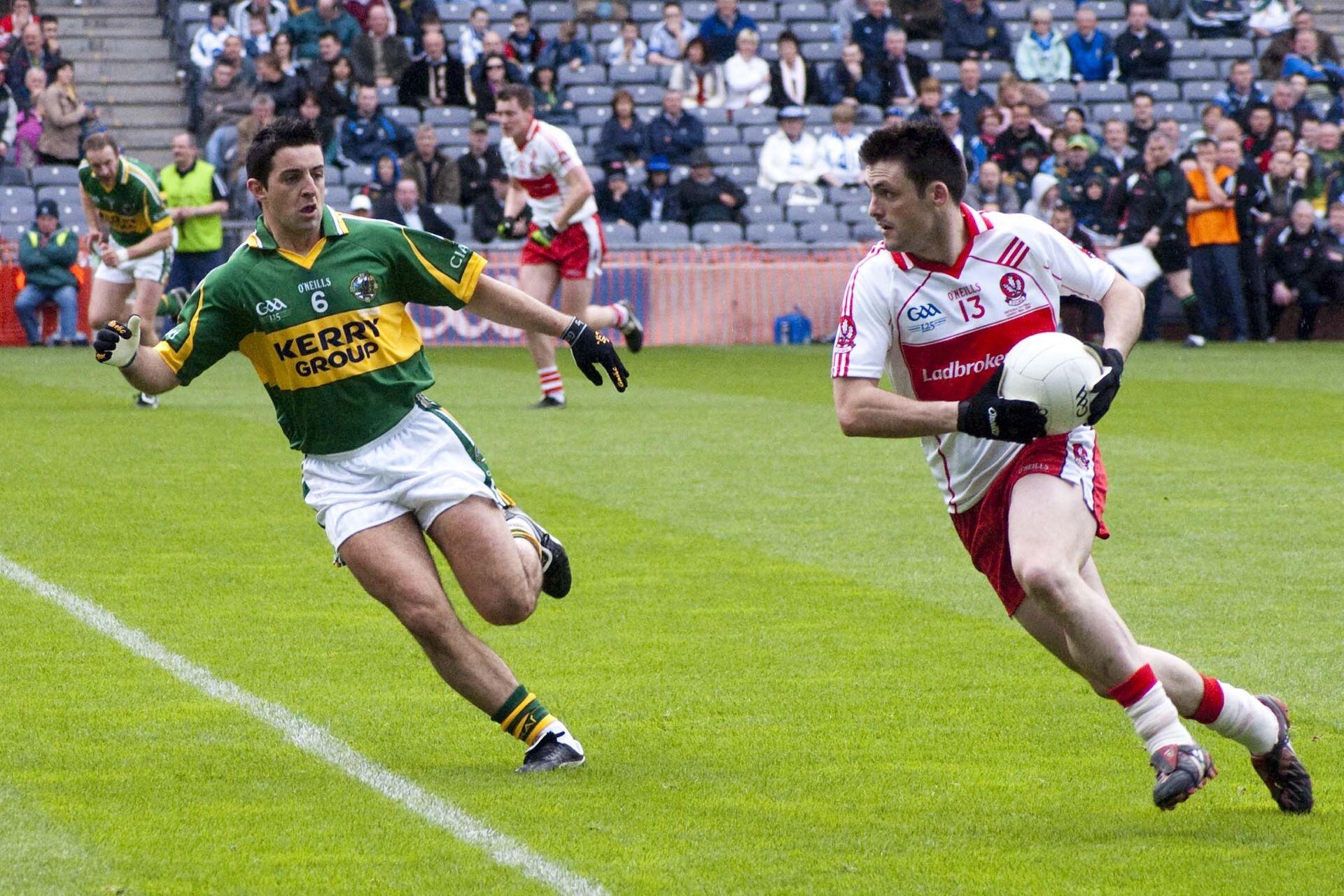

What is Gaelic football, and why does it matter so much in Ireland? The sport combines kicking, carrying, and passing between two teams of 15 players. It has a history spanning hundreds of years and remains amateur and volunteer-led. Let's explore one of Ireland's national sports.
Key Takeaways
- Gaelic football is played by two teams of 15 players on a large rectangular grass pitch.
- A goal is worth three points, while scores over the crossbar can be worth one or two points.
- The recorded history of Gaelic football dates back at least 356 years.
- The GAA was founded in 1884 to organise and promote Gaelic games and Irish culture.
- Players remain amateurs, while clubs depend heavily on volunteers.
- Gaelic football is played across Ireland and through GAA clubs around the world.


The Origins and Evolution of Gaelic Football
Gaelic football connects centuries-old Irish ball games with a modern club and country-level sport.³ Today's game follows a detailed rulebook, but it was originally a hodgepodge of local rules, with different rules of how players could catch, carry and kick the ball.⁴ It wasn't until a national governing body was formed that the game ended up with a shared structure.
Gaelic football is a traditional Irish team sport played between two teams of 15 players on a rectangular grass pitch.⁹ Players move the ball by kicking, hand-passing, bouncing and soloing as they try to create scoring opportunities.⁹ A goal under the crossbar is worth three points, a score over the bar is normally worth one point, and a qualifying kick from on or outside the 40-metre arc is worth two points.⁹
Ancient Roots and Early Forms
Before the codification of the game, Irish communities played games commonly known as caid.⁴ The rules varied between areas, and it was common for contests to involve large groups across the open countryside, rather than on a pitch. The games were an important part of local gatherings. These early games were the traditions upon which Gaelic football later developed.⁴
years to a match documented in County Meath in 1670.⁴
Codification and the Birth of Modern Gaelic Football
With the establishment of the GAA in Thurles in 1884, the regional football traditions became an organised national sport played on pitches around the country.² GAA leaders worked to create consistent rules that the clubs throughout Ireland could follow.⁴ Within just 3 years, in 1887, the first All-Ireland Football Championship was held.³
The history of Gaelic football stretches back centuries, with earlier Irish football games commonly known as caid.⁴ A match recorded in County Meath in 1670 is recognised as one of the earliest written accounts of a game resembling Gaelic football.⁴ The modern sport began to take shape after the GAA was founded in 1884 and formal rules were developed during the following years.⁴
Understanding the Gaelic Athletic Association (GAA)
The GAA is the body behind the sport and the framework. This includes governance, rulemaking, fixture organisation and the development of Gaelic games.⁷ Through its structure, Gaelic football remains community-based while operating as a nationwide sport.
GAA Meaning and Mission
Since its founding in 1884, the GAA has existed to protect and promote the native games of Ireland. Importantly, it strengthens communities, supports Irish culture, and encourages participation through an amateur, volunteer-led model.⁶ It's helped ensure the sport's unique identity.
GAA stands for the Gaelic Athletic Association, the organisation responsible for promoting and governing Gaelic games in Ireland and around the world.² Its work includes Gaelic football, hurling, handball and rounders, as well as support for Irish culture, community participation and volunteerism.² The GAA is built around an amateur ethos, meaning that players represent their clubs and counties without being paid as professional athletes.⁶
Structure and Role in Gaelic Football
Rules and Gameplay of Gaelic Football
Gaelic football features a unique combination of kicking, carrying, and hand-passing that's found in very few other sports worldwide. It's played on a large grass pitch, where players must control the ball while following strict rules on movement, tackling, and positioning.⁹
The Playing Field and Equipment
Team Composition and Positions
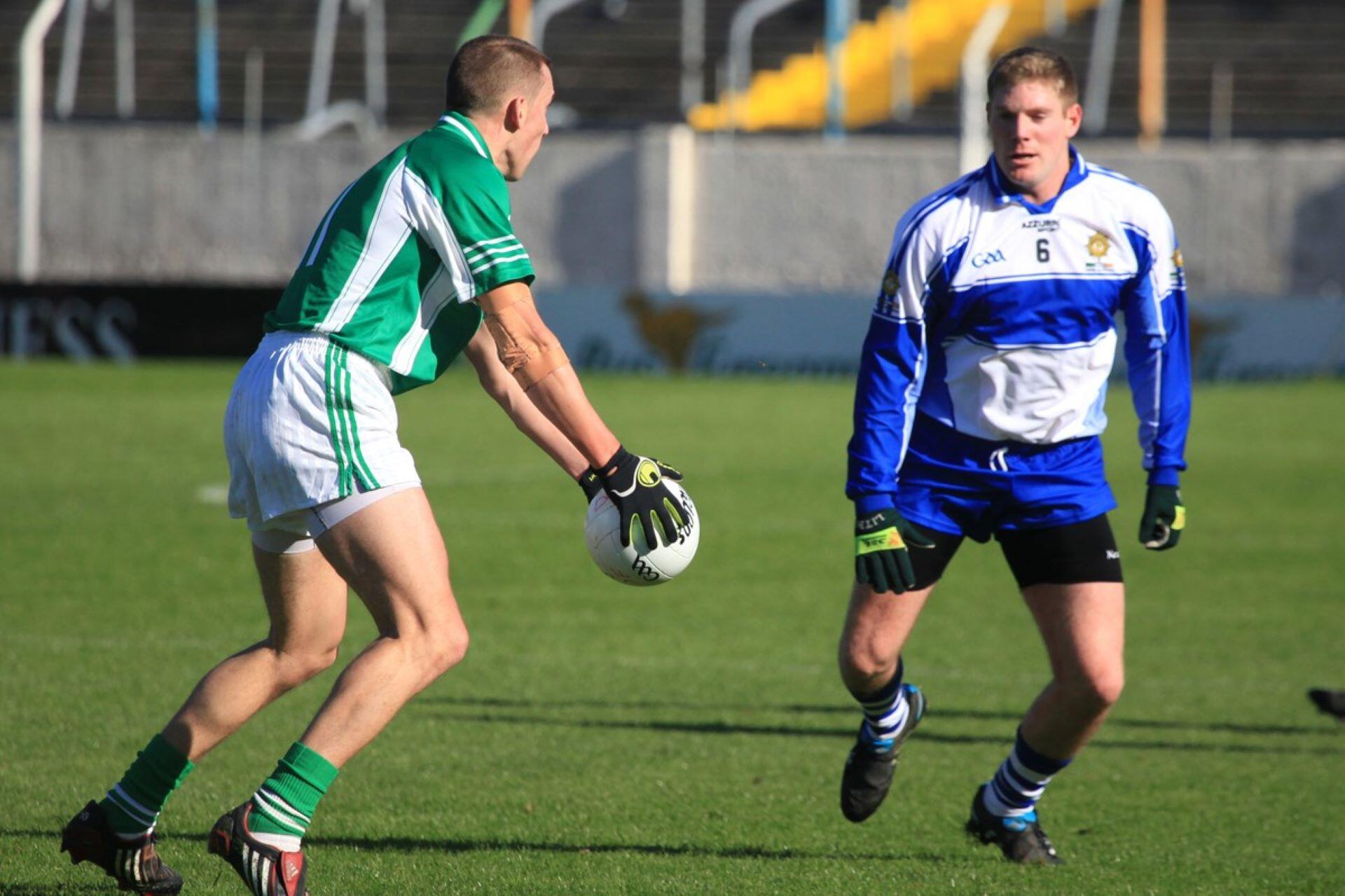
players across the goalkeeper, defensive, midfield and forward positions.⁹
Scoring System and Match Duration
Key Rules and Regulations
| Topic | Current rule | How it works |
|---|---|---|
| Team size | Each team has 15 players: one goalkeeper and 14 outfield players. | Players are divided into defensive, midfield and attacking positions. |
| Pitch dimensions | The pitch is 130–145 metres long and 80–90 metres wide. | A Gaelic football pitch is larger than a standard association football pitch. |
| Football | The ball weighs 480–500 grams and measures 68–70 centimetres in circumference. | It resembles a round football but is designed for kicking, catching and hand-passing. |
| Mouthguard | Every player must wear a mouthguard during matches and training sessions. | A player cannot participate without the required protective equipment. |
| Lifting the ball | An outfield player cannot pick the ball directly off the ground with their hands. | The ball must normally be lifted using the foot. |
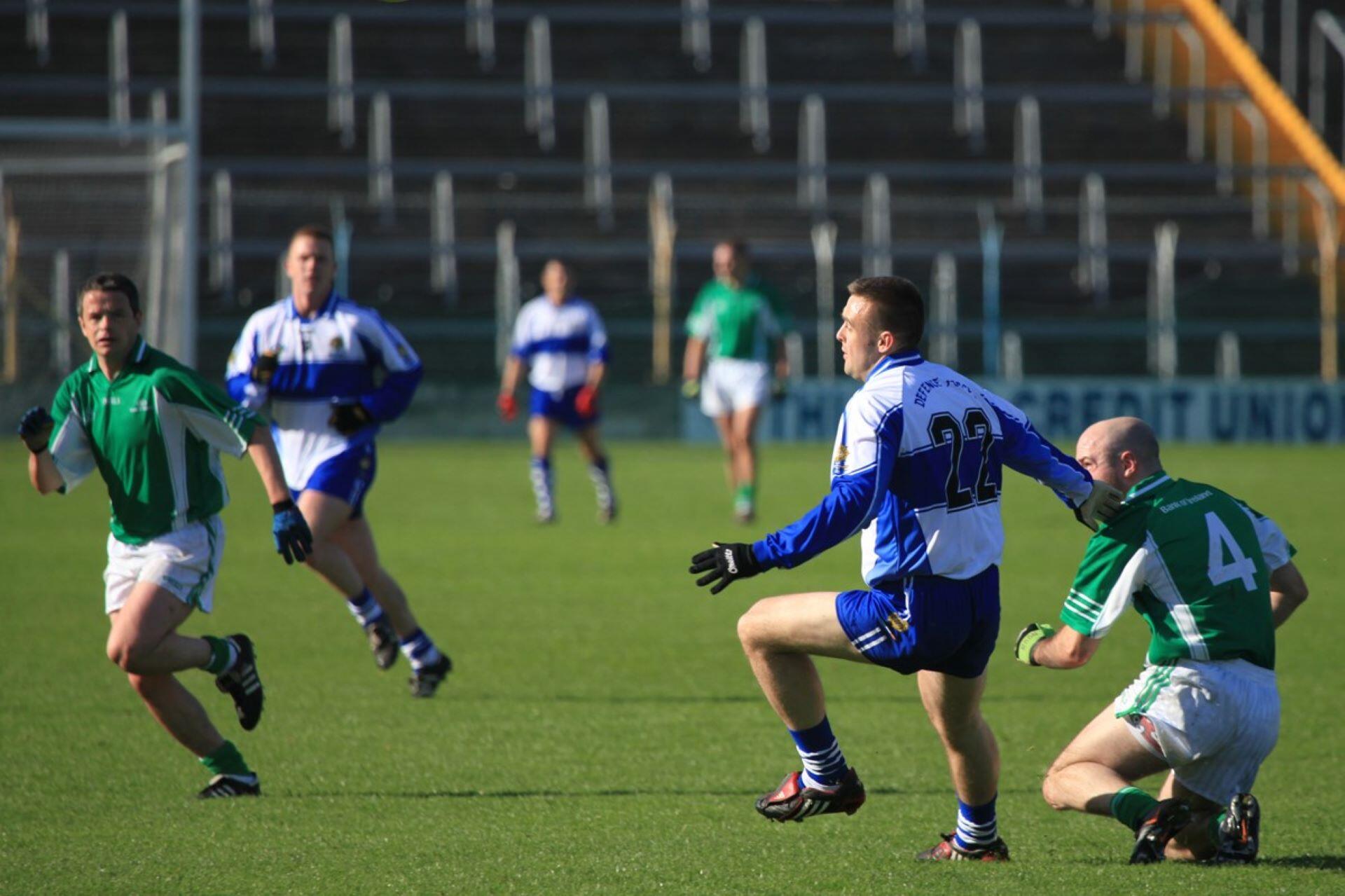
| Four-step rule | A player may carry the ball for no more than four consecutive steps. | After four steps, the player must kick, hand-pass, bounce or solo the ball. |
| Bouncing and soloing | The ball may be bounced once after it has been caught and again after each solo. | Players use the solo, or toe-tap, to continue running with the ball. |
| Hand-pass | The ball must be struck with the fist or with a definite underhand open-hand action. | Throwing the ball to another player is not permitted. |
| One-point score | A ball played over the crossbar from inside the 40-metre arc or inside the 20-metre line earns one point. | Most close-range scores over the bar add one point to the team’s total. |
| Two-point score | A qualifying kick over the crossbar from on or outside the 40-metre arc earns two points. | The kick must travel over the bar without another teammate touching it; a score from a 45 remains worth one point. |
| Goal | A ball played between the posts and under the crossbar is worth three points. | Goals are shown separately from points on the scoreboard. |
| Match duration | Most matches have two 30-minute halves, while senior inter-county championship and National League matches have two 35-minute halves. | Added time may be played for stoppages and delays. |
| Physical contact | A legal shoulder-to-shoulder charge is permitted in defined circumstances. | Players may challenge for possession, but dangerous or unfair contact is penalised. |
| Positional rule | Each team must generally keep at least four players in its own half and three outfield players in the opposition half. | Teams cannot move every player into the same half of the pitch. |
Gaelic Football in the Modern Era
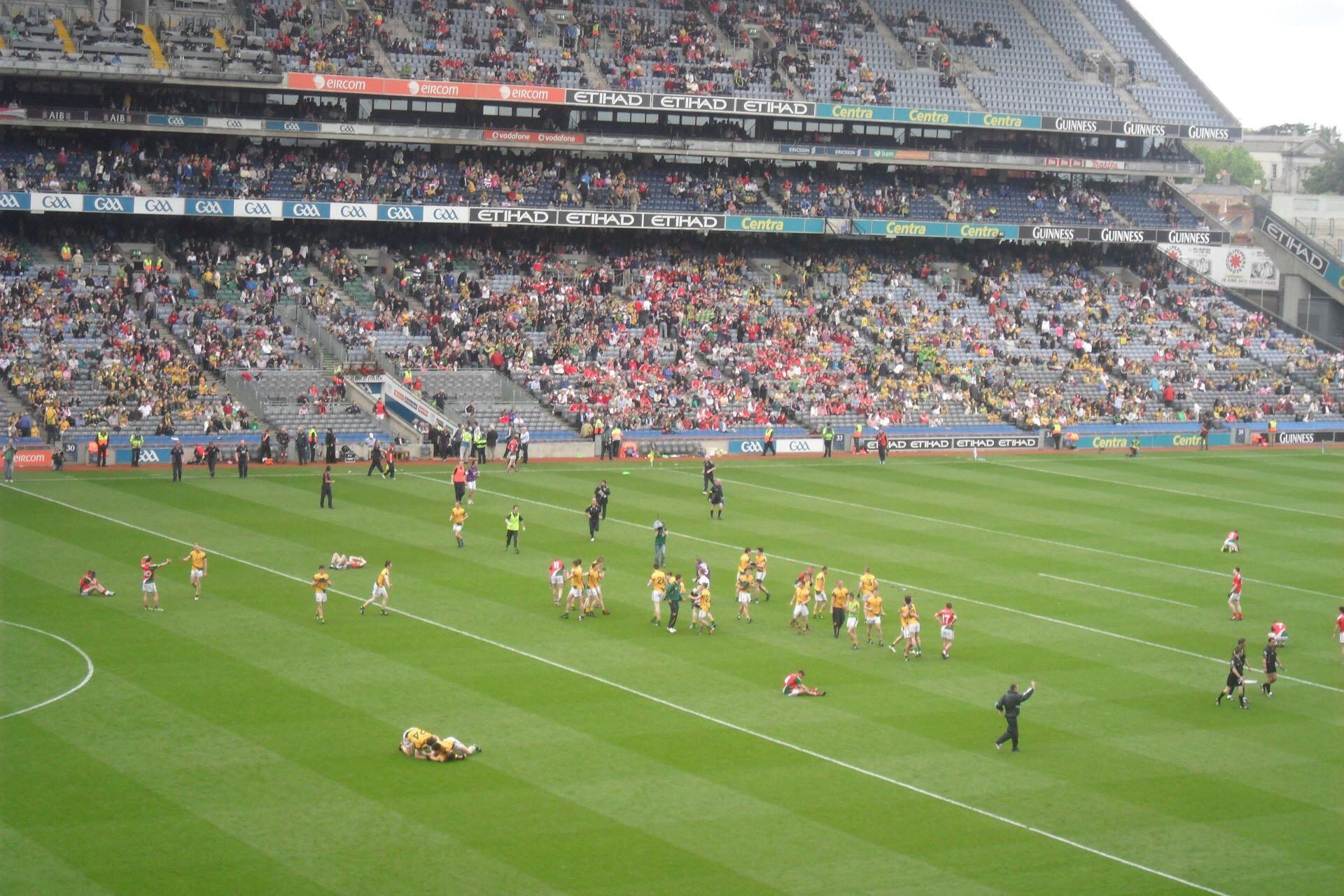
Gaelic football is now played through a network of club, county, and international competitions. The biggest fixtures attract impressive audiences, but local clubs still provide the main routes into both playing and supporting the game.³ Thanks to emigrant communities and overseas GAA organisations, the sport is also international.¹
Major Competitions and Championships
Global Reach and Popularity
Cultural Significance and Community Impact
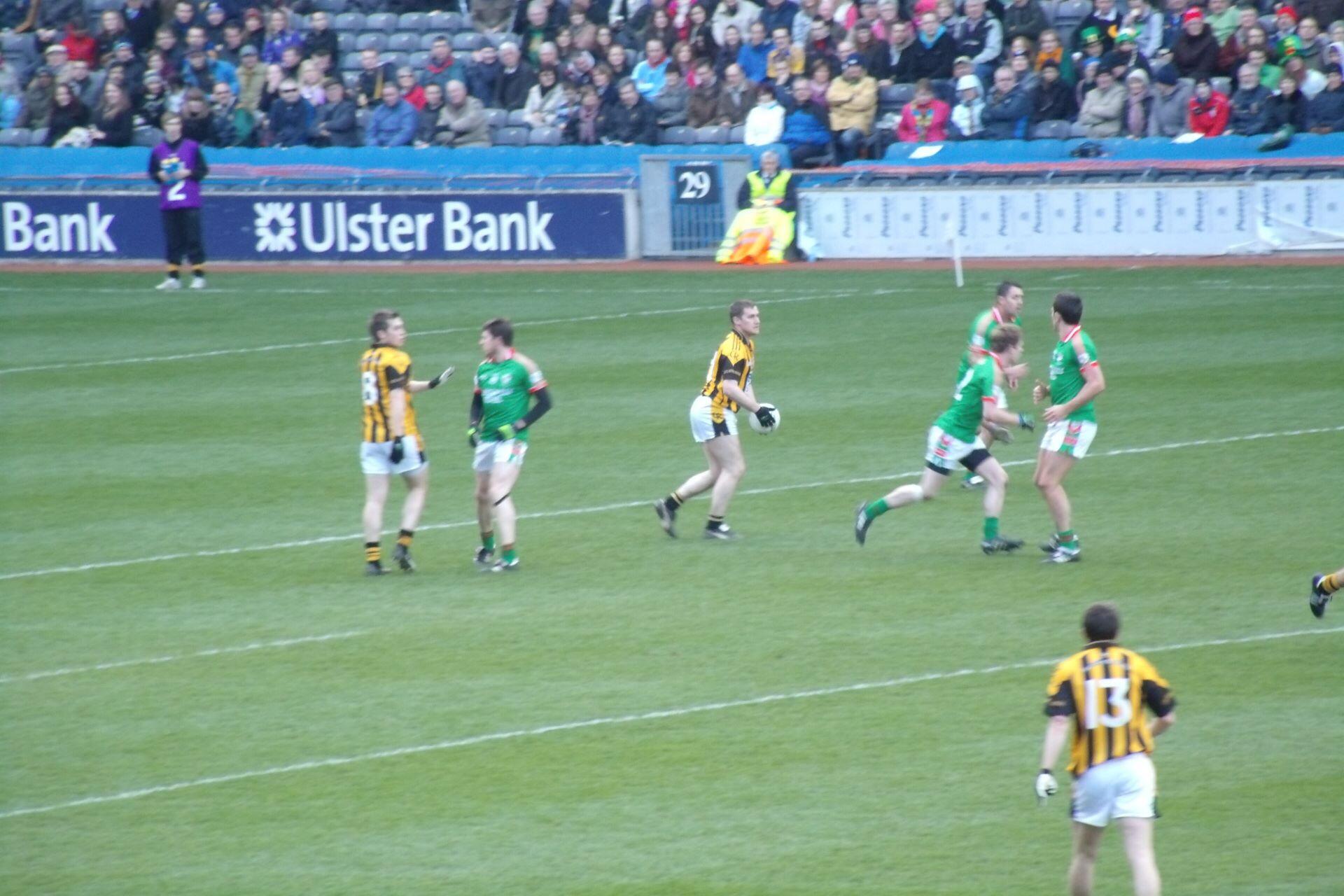
Gaelic football is central to much of local identity, family tradition, and community life across Ireland. Clubs represent parishes, towns and neighbourhoods, which is how they maintain a strong connection to their top players and fans. The wider Gaelic games network also creates substantial social value through participation, volunteering and shared community facilities.¹⁰
Gaelic Football as a Cultural Pillar
The Amateur Ethos and Volunteerism
References
- Gaelic Athletic Association. “About the 2026 oneills.com GAA World Games.” GAA, https://www.gaa.ie/worldgames/about. Accessed 13 July 2026.
- Gaelic Athletic Association. “About the GAA.” GAA, https://www.gaa.ie/the-gaa/about-the-gaa. Accessed 13 July 2026.
- Gaelic Athletic Association. “Football.” GAA, https://www.gaa.ie/football. Accessed 13 July 2026.
- Gaelic Athletic Association. “Football: History and Evolution.” GAA, https://www.gaa.ie/my-gaa/getting-involved/football-history-and-evolution. Accessed 13 July 2026.
- Gaelic Athletic Association. “Football Review Committee Rule Enhancements Explainer.” GAA, 23 Jan. 2025, https://www.gaa.ie/article/football-review-committee-rule-enhancements-explainer. Accessed 13 July 2026.
- Gaelic Athletic Association. “GAA Purpose, Vision and Values.” GAA, https://www.gaa.ie/the-gaa/administration. Accessed 13 July 2026.
- Gaelic Athletic Association. “GAA Structures.” GAA, https://www.gaa.ie/the-gaa/about-the-gaa/structures. Accessed 13 July 2026.
- Gaelic Athletic Association. Official Guide, Part 1. Effective 22 Mar. 2025, https://www.gaa.ie/api/images/image/upload/prd/efpxmlrx9gbvafzj4gzo.pdf. Accessed 13 July 2026.
- Gaelic Athletic Association. Official Guide, Part 2. Effective 27 Mar. 2026, https://www.gaa.ie/api/images/image/upload/t_q-best/prd/xi4oyuttzqpaqr2vfhbn.pdf. Accessed 13 July 2026.
- Gaelic Athletic Association. “Social Value of Gaelic Games Worth €2.87 Billion to Irish Society.” GAA, 27 Nov. 2024, https://www.gaa.ie/article/social-value-of-gaelic-games-worth-2-87-billion-to-irish-society. Accessed 13 July 2026.
Summarise with AI:
Did you like this article? Leave a rating!

 Loading...